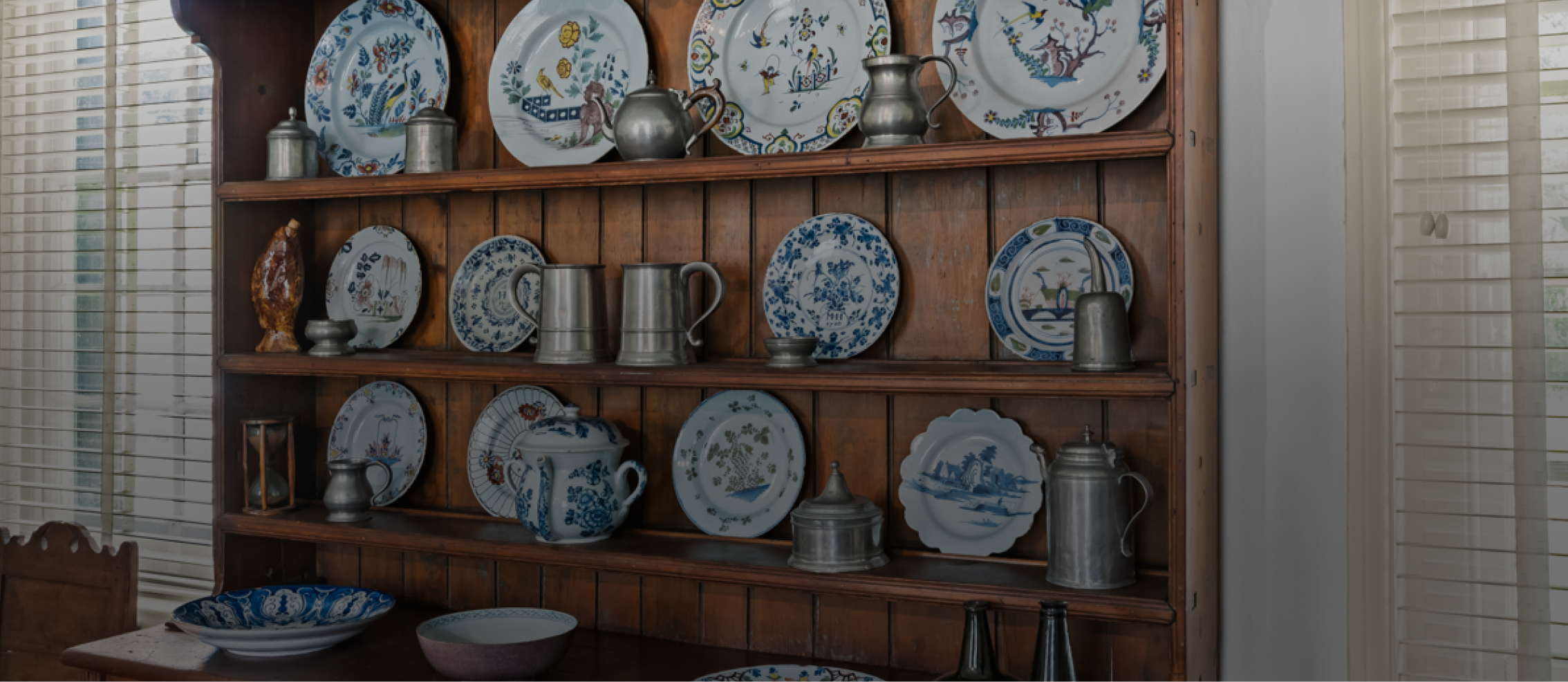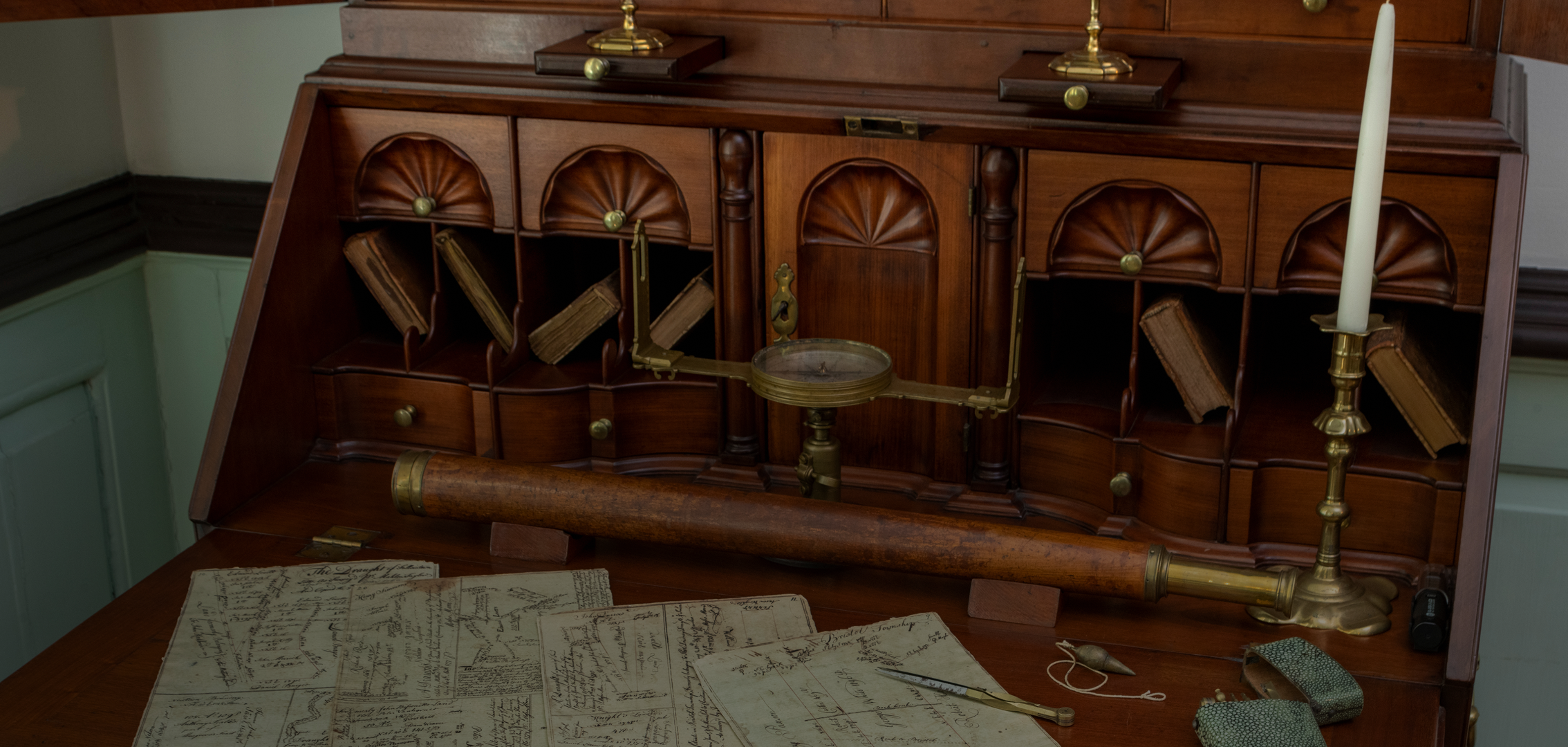
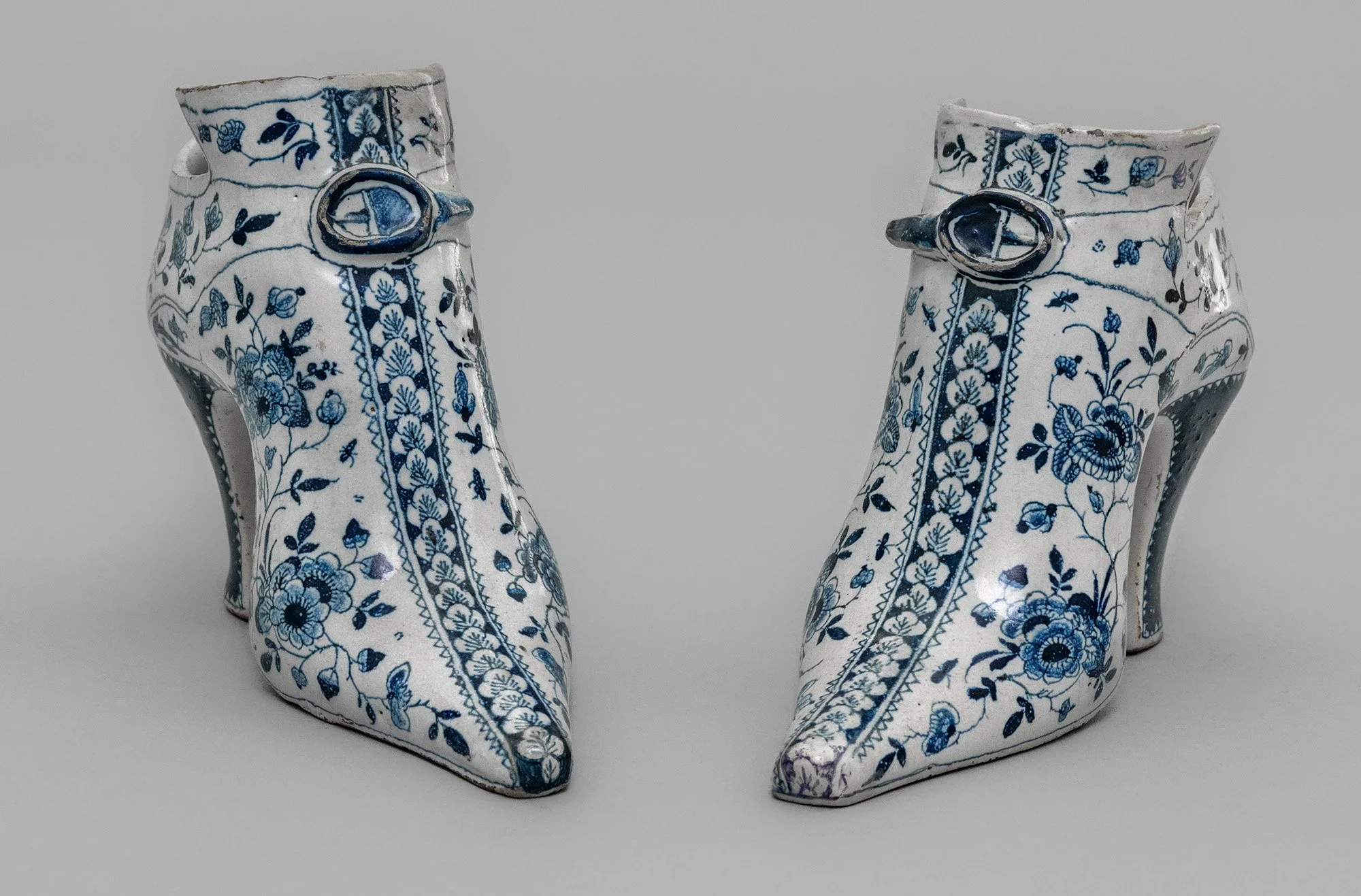
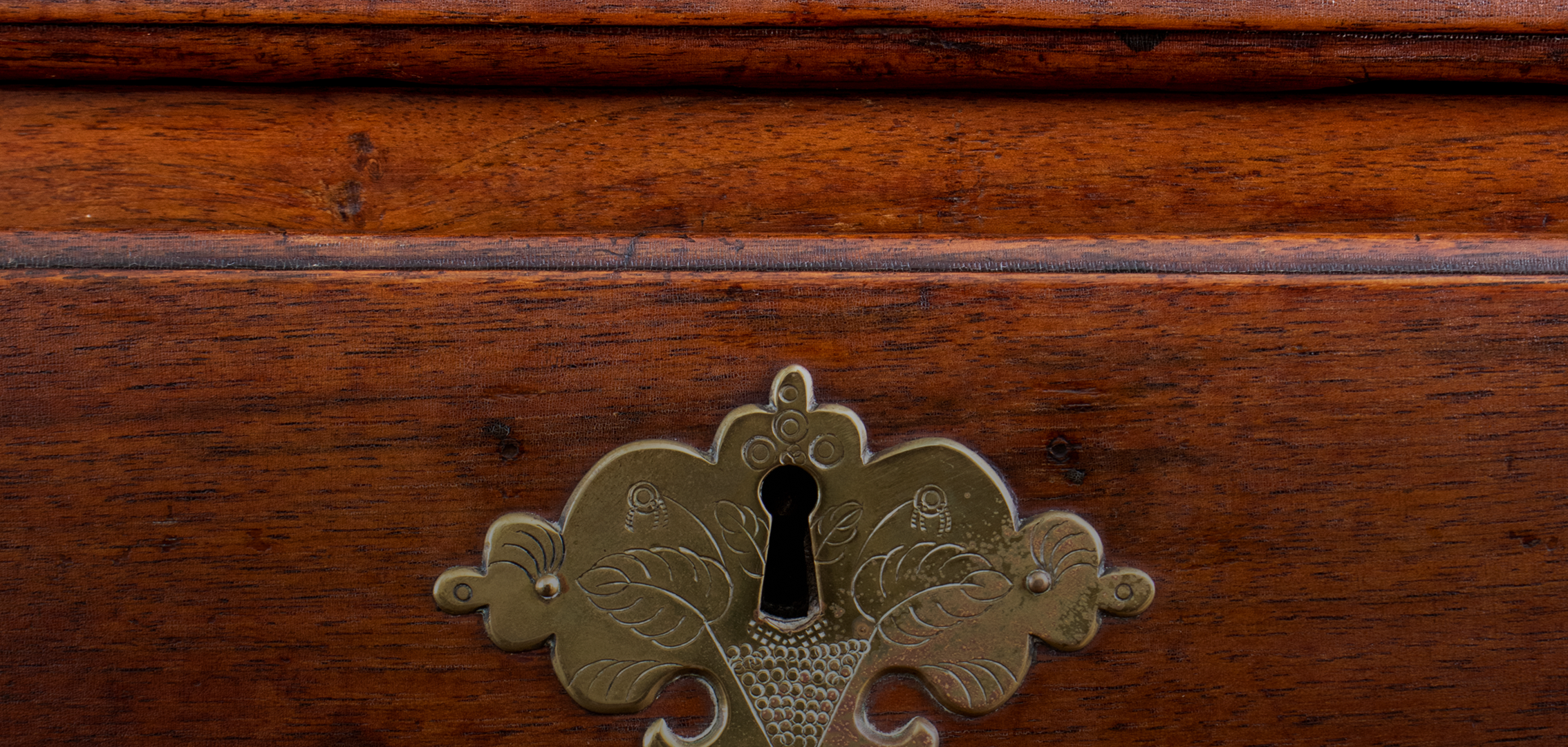
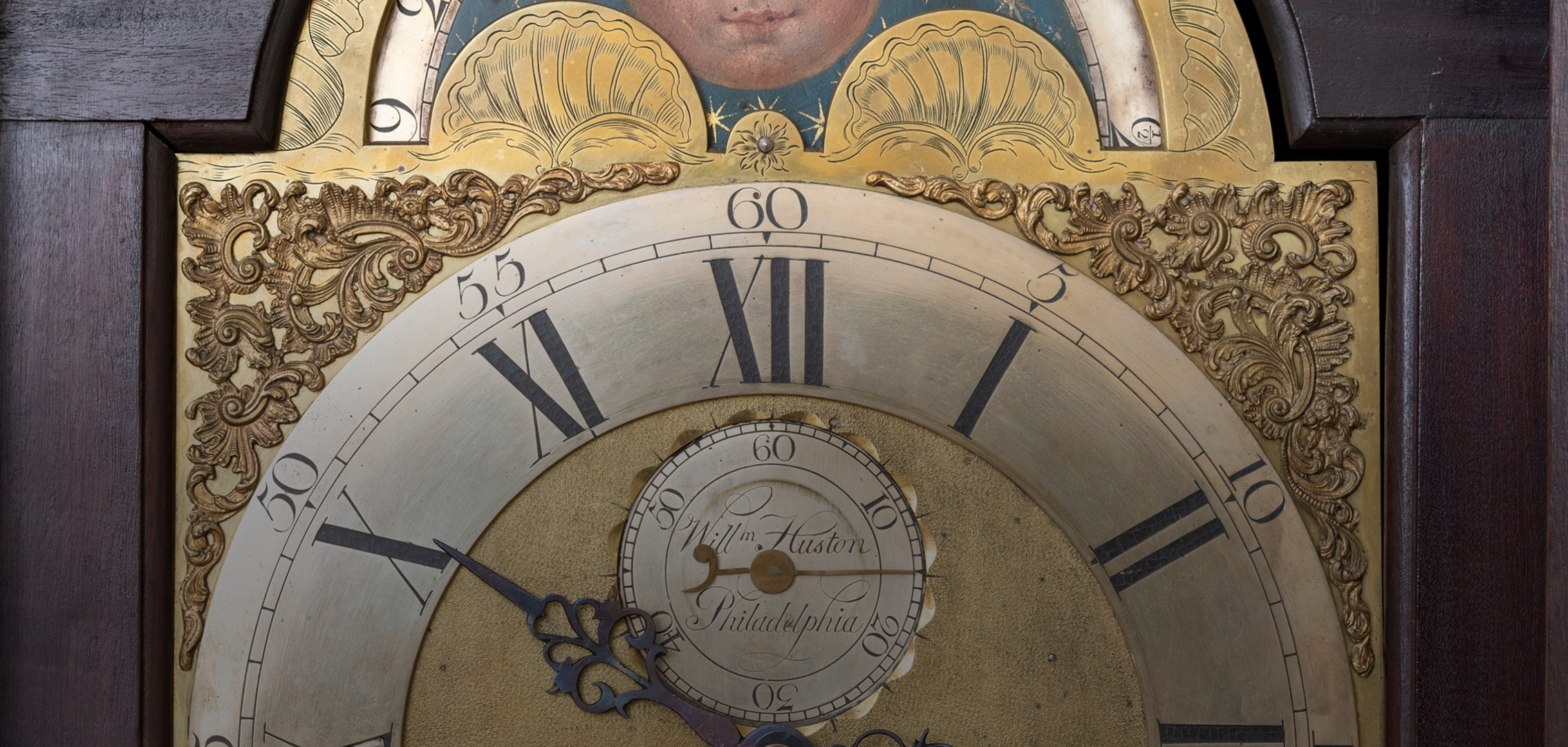
Discover some of the finest American and British decorative arts of the 18th century.
MEET THE FOUNDING COLLECTOR
The other Wood of Woodford Mansion.
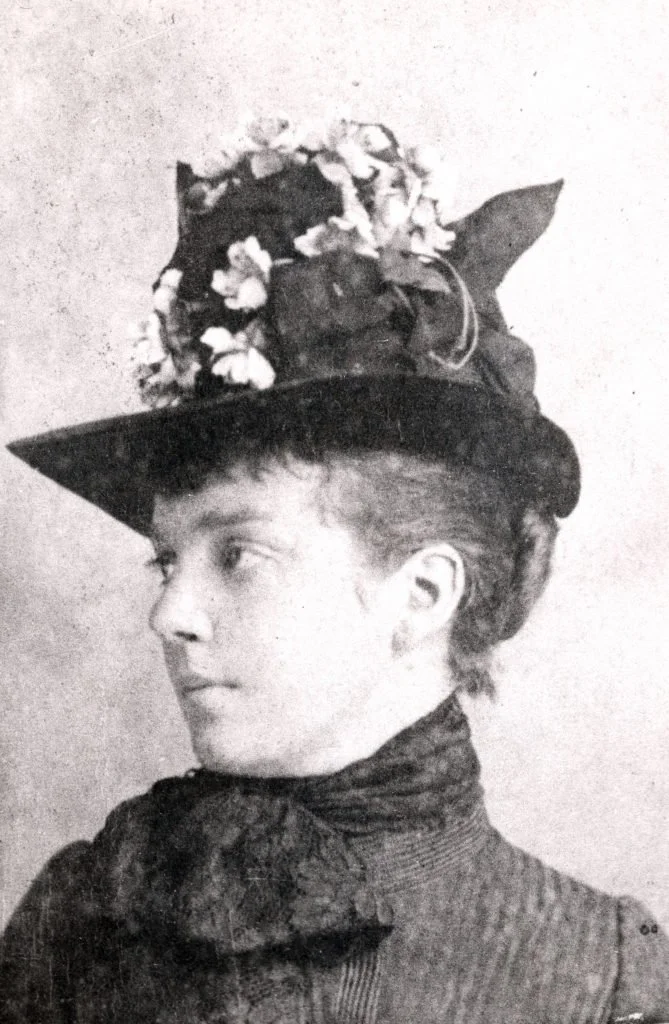
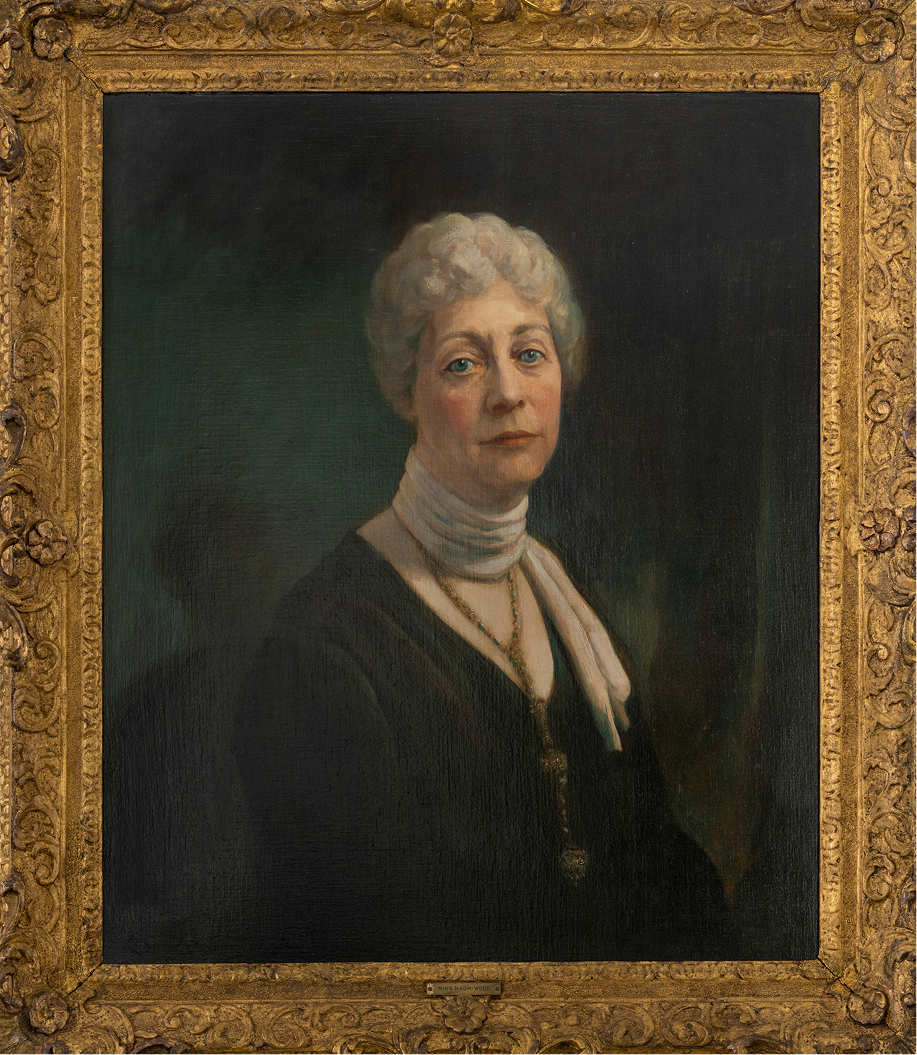
Ironically, the founding collector of Woodford Mansion’s decorative and fine arts collection is Naomi Wood (1871–1926)—and yet, her surname and the mansion’s title are sheer coincidence. The Philadelphia-born daughter of a successful merchant, Wood pursued her passion for art while traveling the world.
By 1910, she crafted a plan with close friend Daniel Huntoon to ensure her colonial decorative arts collection could be enjoyed for generations to come. Her vision? To acquire a historic house, furnishing it with an extraordinary array of art, furniture, and other household objects.
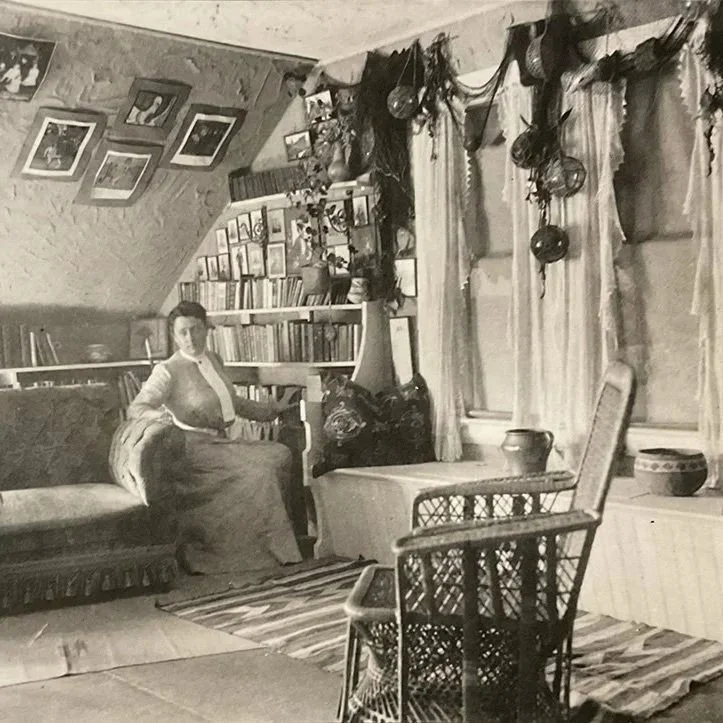
THE NAOMI WOOD COLLECTION
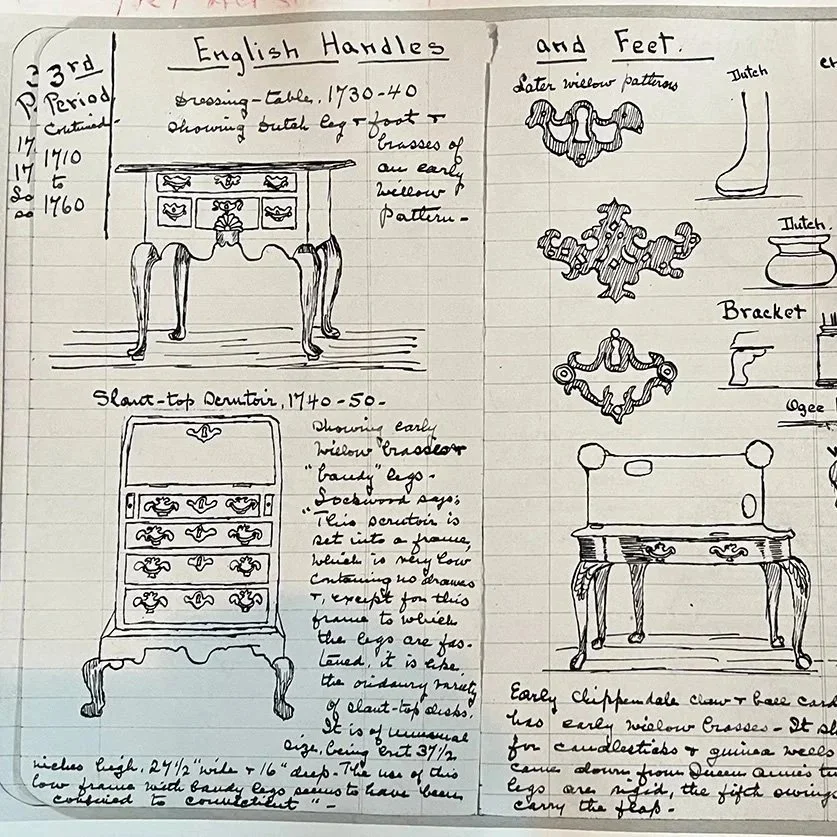
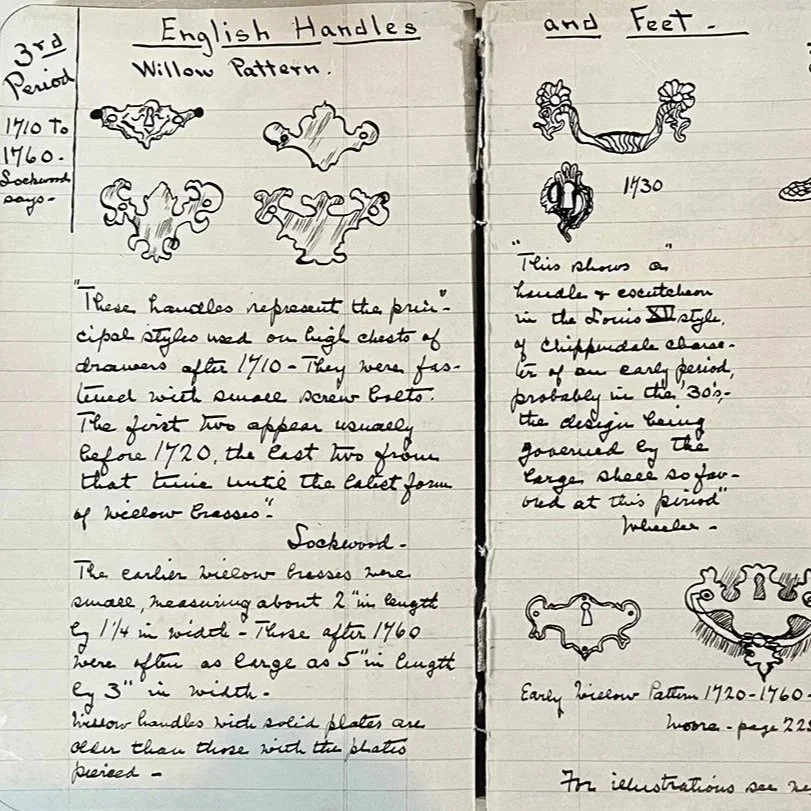
“An illustration of household gear during the colonial years.”
— Directive written in Naomi Wood’s will, sharing her vision for the collection.
PREPARE FOR YOUR TOUR
Vogue of the villa: Can’t-miss features of the collection.
The collection holds some of the finest Queen Anne, William and Mary, and Federal-style furnishings from both colonial Philadelphia and abroad. Originating across Philadelphia, New England, and Europe, these pieces explore material culture from the 18th century. Click each object to learn about its origin.
-
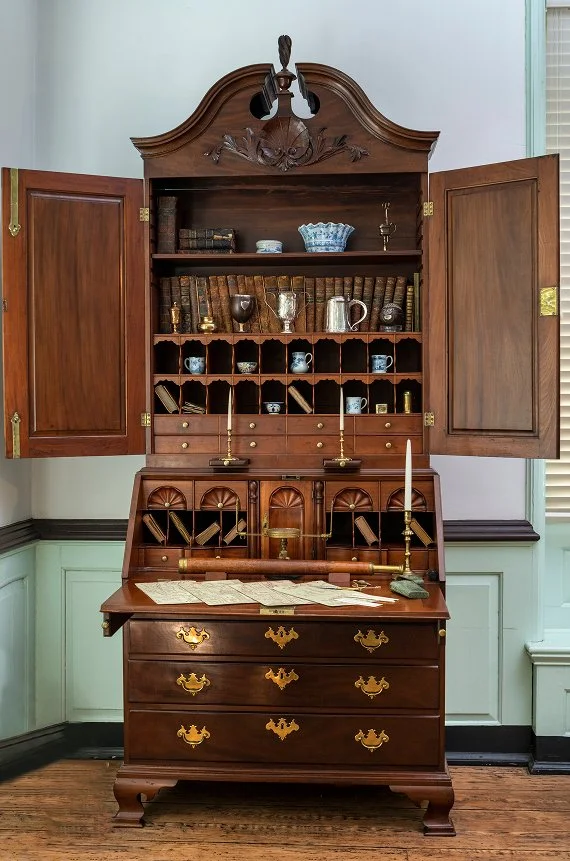
Queen Anne Secretary Desk
CIRCA 1755
Attributed to carver Samuel Harding, this imposing mahogany desk features 28 pigeon-holes and a secret compartment. A near-identical piece is displayed in the Governor’s Room at Independence Hall.
-
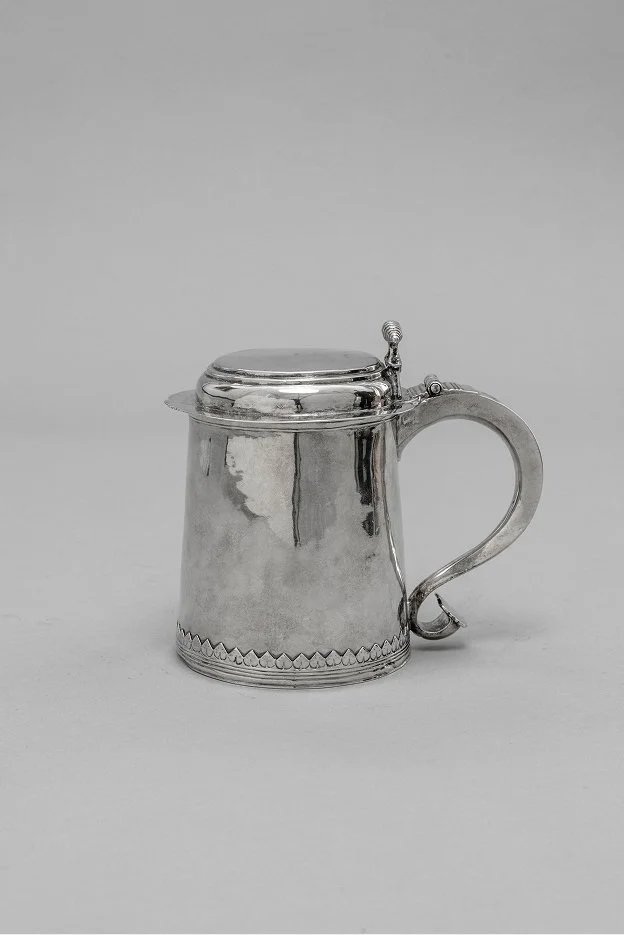
Silver Tankard
CIRCA 1716
Johannis Nys, born in New York to a French Huguenot (Protestant) silversmith, moved to Philadelphia and became one of the city’s earliest silversmiths. This tankard bears an inscription indicating it was given to Susan Painter by her father, George Painter in 1716, and was passed down to other women in the family.
-
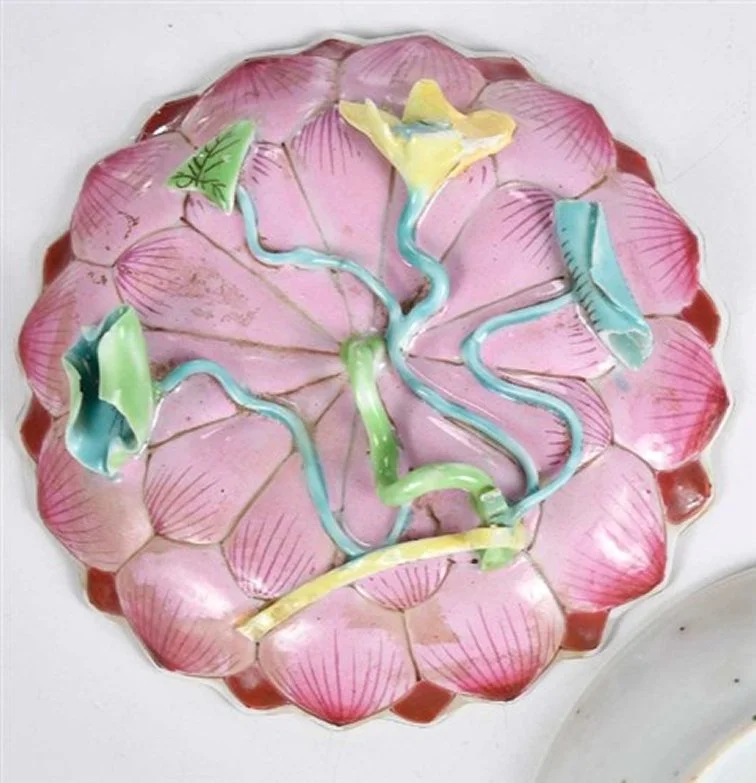
Chinese Export Saucer
18th CENTURY
The fragility of the three-dimensional flowers and multi-colored design make this piece highly unusual. Lotus ware porcelain reflects the technological trade and exchange between China and the West. The lotus was a traditional Chinese design and the Europeans developed the formula for the pink pigment.
-
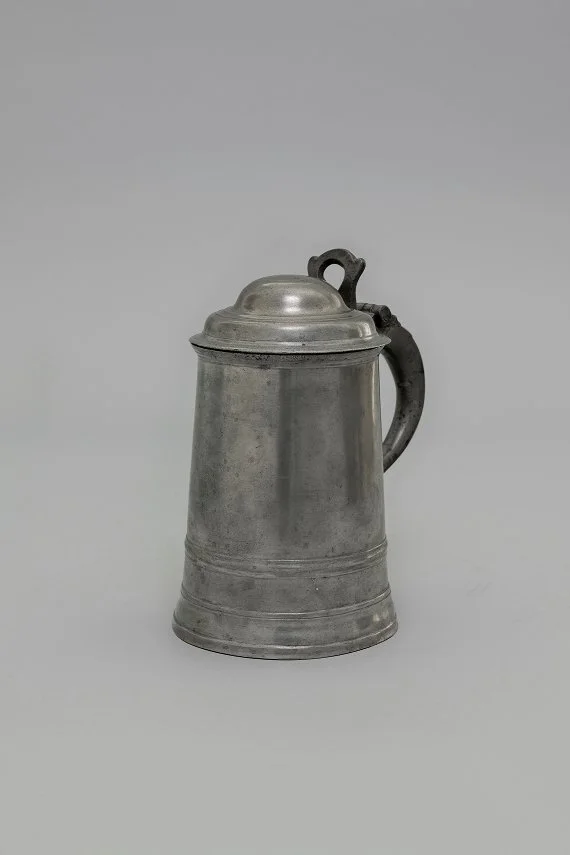
Pewter Tankard
LATE 18TH CENTURY
This teapot was made by William Will, considered Philadelphia’s finest pewtersmith in the 18th century. Will served as an officer in the Revolutionary War and later as the sheriff of Philadelphia.
-
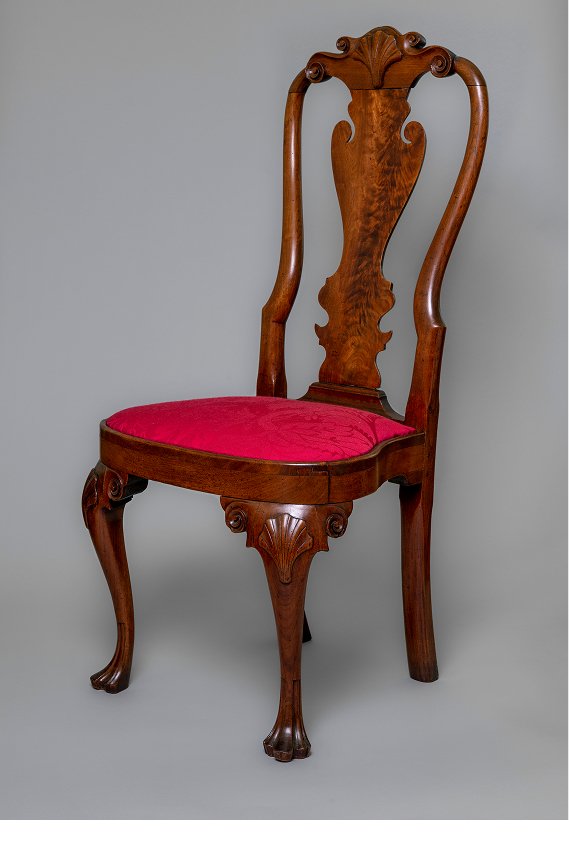
Queen Anne Walnut Side Chair
CIRCA 1745
This balloon-seat Philadelphia side chair is considered one of the finest examples of colonial furniture. Highly prized for its beauty and rarity, it is the epitome of the English and American baroque style.
-
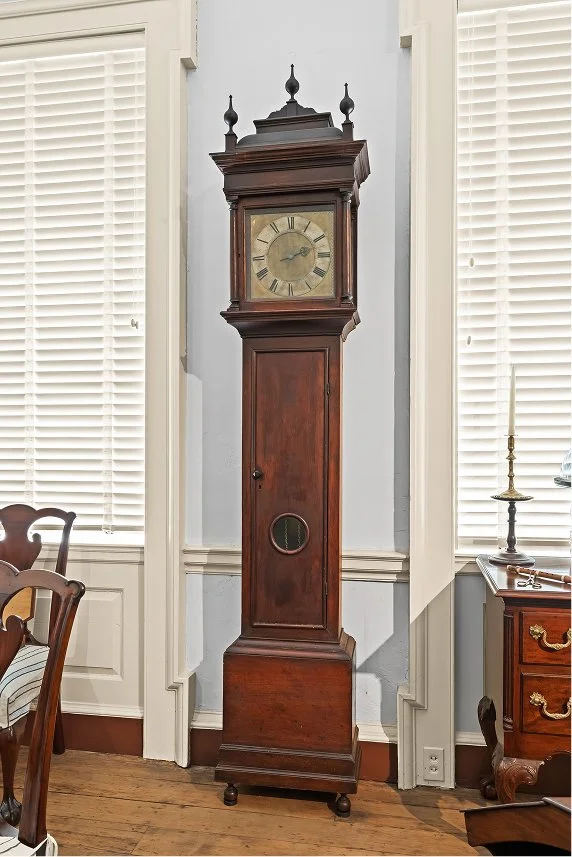
Peter Stretch Clock
CIRCA 1705–1715
This clock was made by prominent early-American clockmaker, Peter Stretch, a Quaker who immigrated to Philadelphia in 1703. His son, Thomas, made the clock on the west wall of Independence Hall.
-
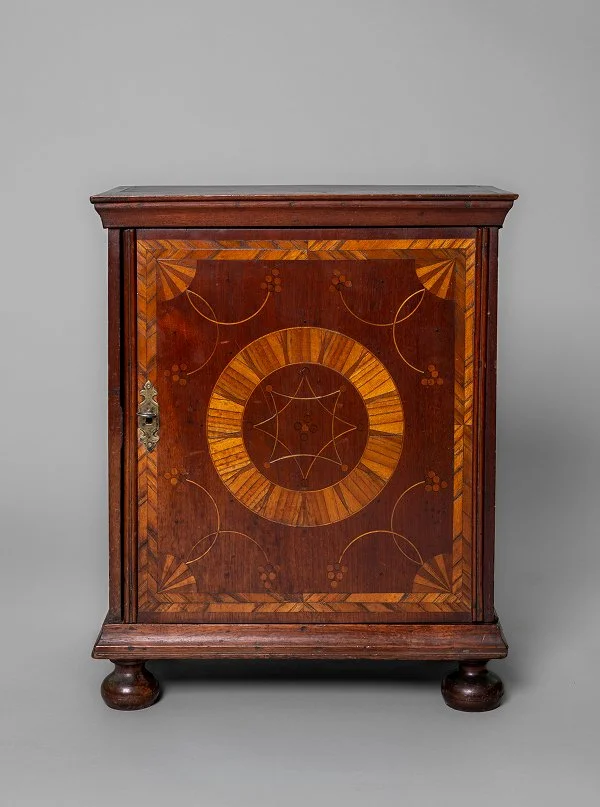
Chester County Pennsylvania Spice Box
CIRCA 1740
In colonial America, rare and expensive spices were often kept in locked spice cabinets. This elaborately inlaid box was made in Chester County, PA and likely later used as a keepsake box.
-
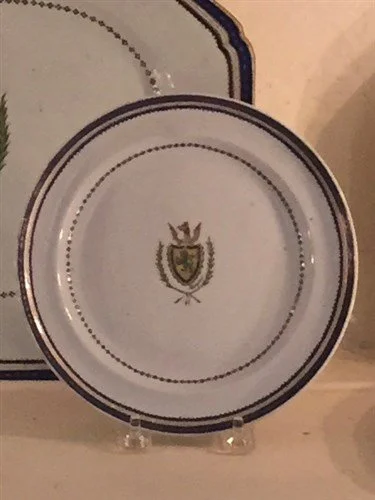
Chinese Export Porcelain Plate, Arms of Morgan
CIRCA 1784
Ordered by John Morgan of Hartford, CT, this plate was carried back from Canton on the Empress of China, the first ship that opened up direct trade between the new United States and the Chinese Empire.
DIVE INTO THE HISTORY OF THE COLLECTION
A collector giving back to hometown Philadelphia.
Naomi Wood’s father and grandfather, Caleb and David, respectively, owned and operated a store for “Ladies and Children’s Furnishing Goods.” Located on the corner of Chestnut and Juniper Streets, it sat adjacent to Wanamaker’s, one of the earliest department stores in the country. Around 1920, Wood inherited the property, which became the basis of her estate.
Naomi collected New England and Philadelphia furniture, portrait miniatures, silhouettes, snuff boxes, and other small personal items. After her death, Daniel Huntoon, acting as executor of her will, signed an agreement with the Fairmount Park Commission allowing Woodford Mansion to be used to house Wood’s and Huntoon’s collections. Woodford Mansion ultimately opened as a museum in 1930, just four years after her death.
#### MEET THE FEMALE ARTISTS
## The women of the Naomi Wood Collection.
-
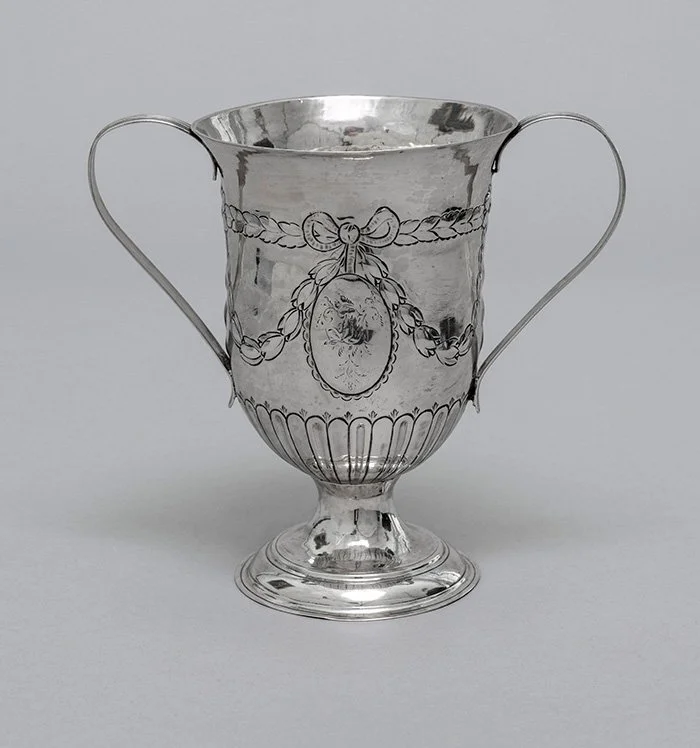
#### ENGLISH LOVING CUP
### Hester Bateman, 1788
A gold and silversmith who created thousands of pieces before retiring at age 81, she is considered one of the most successful British silversmiths of the late eighteenth century.
-
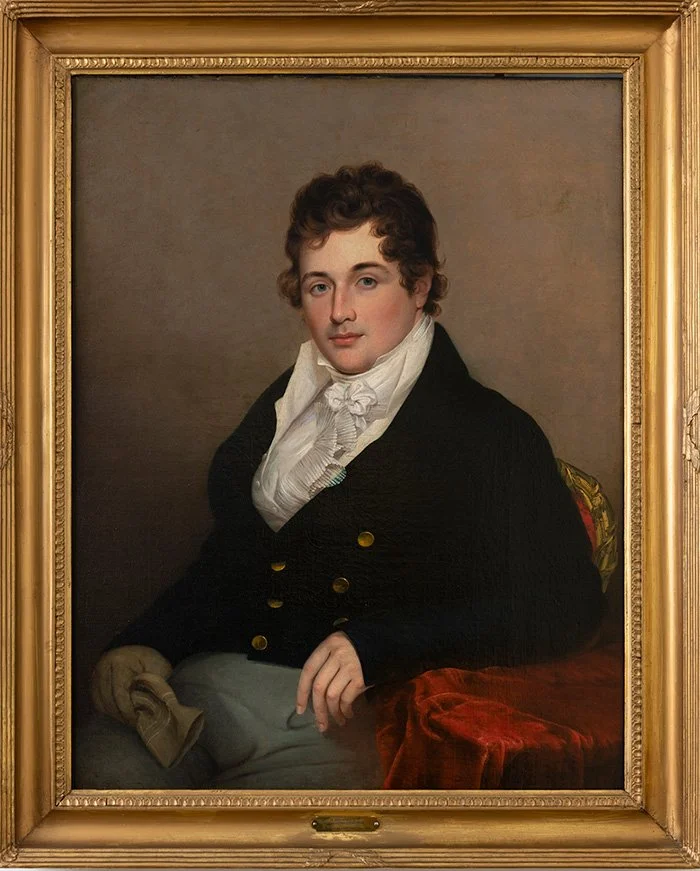
#### PORTRAIT OF JAMES SEARLES WOODWARD
### Sarah Miriam Peale* c. 1818–1822
*And James Peale.
Regarded as the first female professional painter in America, Sarah Miriam Peale was one of the most successful portrait and still-life painters of her generation.
-
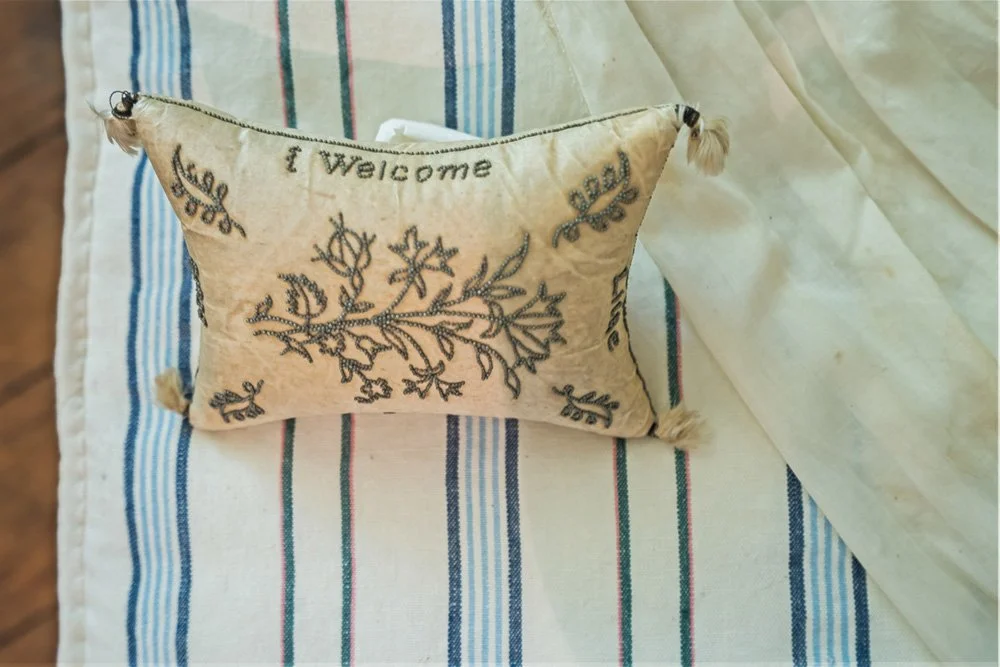
#### CHRISTENING PILLOW
### Unknown maker, 1795
Handmade Christening pillows were often given to expectant mothers by their female friends or family members.
-
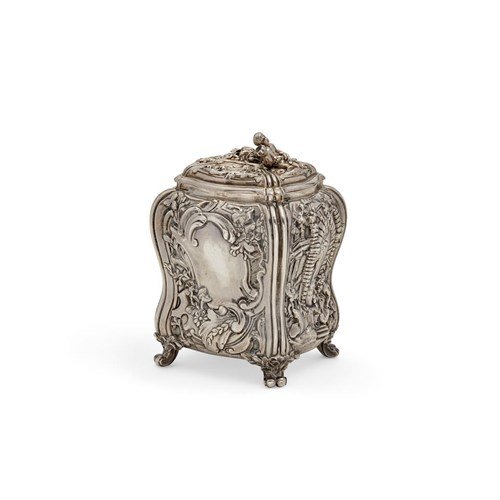
#### SILVER TEA CADDY
### Elizabeth Godfrey, 1750
The wife of a silversmith and goldsmith, Godfrey was widowed twice and successfully carried on each of her husband’s businesses, garnering royal and aristocratic patronage.
DIVE DEEPER INTO EACH PIECE
Collection showcase: Untold stories come to light.
Uncovering the true identity of the “Bust of a young man”
In 2023, the Trust acquired a desk and bookcase with a carved wood portrait bust. Featured in the 1992 exhibition American Rococo 1750–1755, the bust was described as a young man who “cries out for identification.” Over thirty years later, the mystery has finally been solved, with the bust featuring the British writer and politician, Joseph Addison (1672–1719).
EXPLORING THE LIVING COLLECTION
If you’ve seen it once, you need to see it again.
The Naomi Wood Collection is constantly evolving—meaning, we continue to acquire and deaccession various pieces. With nearly one thousand pieces added to the collection since inception, you can always expect new surprises upon your next visit.
137
Pieces originally acquired by Naomi Wood remain in the collection today.
468
Objections donated and acquired by Daniel Huntoon, Wood’s collecting partner and Woodford’s first trustee.
950+
Pieces currently displayed in the ever-growing collection.
12
Historic rooms filled with fine and decorative arts.