Within the walls of Woodford:
The people who shaped the mansion.
MEET THE LEGENDS
Prominent figures steeped in the mansion’s history.
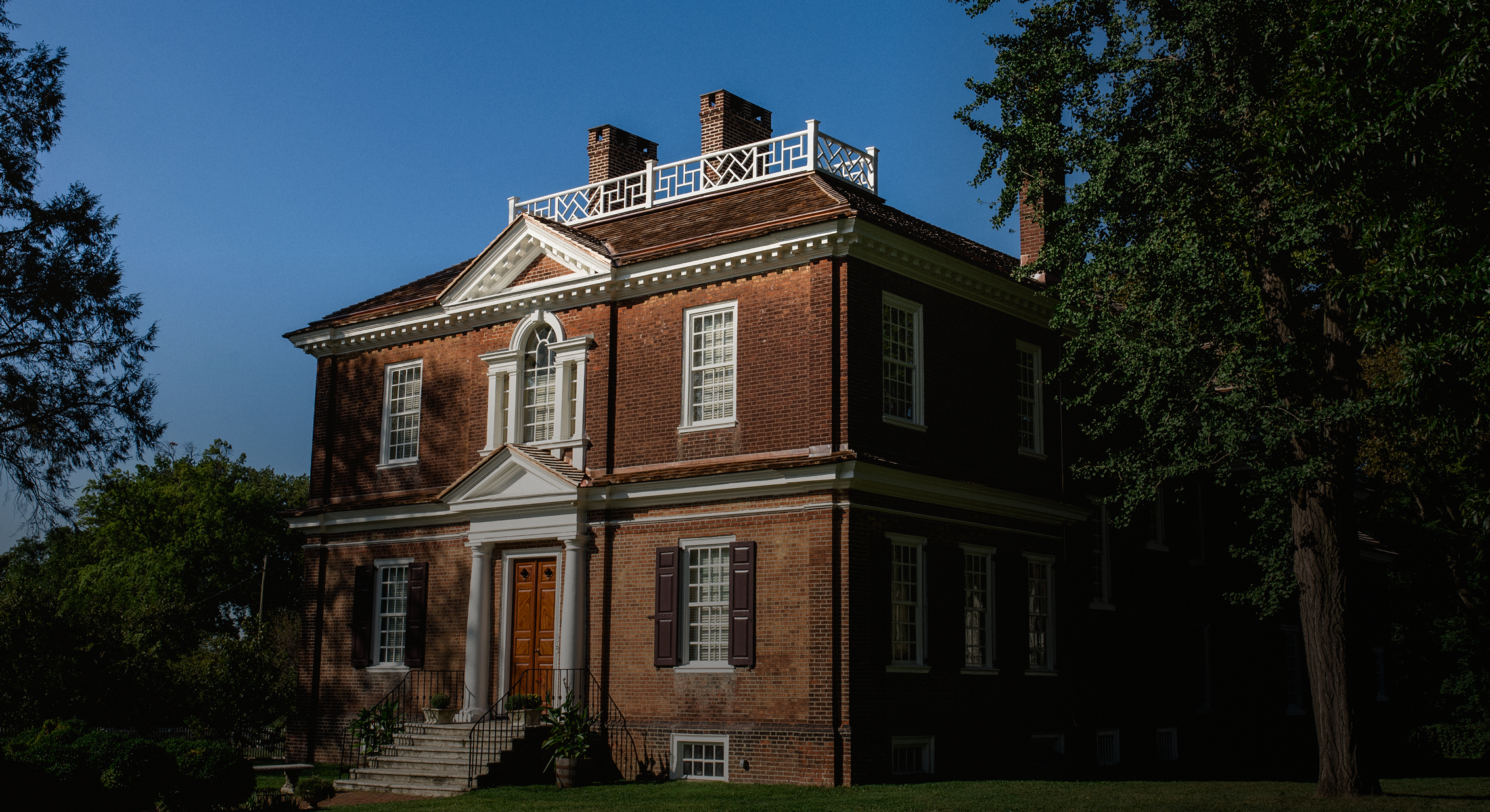
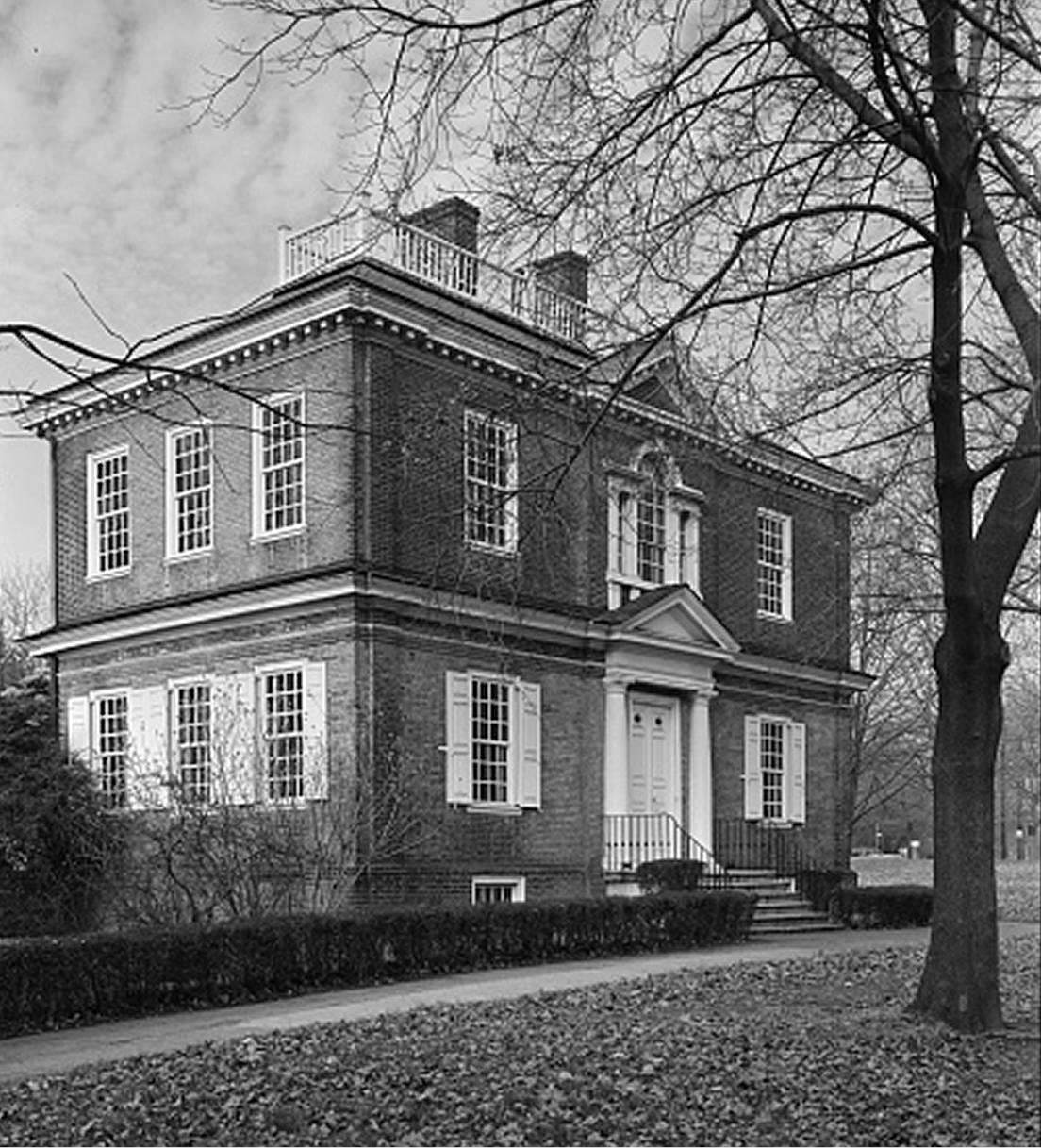
Five prominent families owned Woodford Mansion before it was taken over by Philadelphia in 1869. For over a century, Woodford’s residents ran the gamut between Revolutionary soldiers, Patriots, British Loyalists, and a Founding Father. Both enslaved Africans and indentured servants lived and worked here, with one resident engaging in the Trans-Atlantic slave trade and another writing the law that would one day lead to abolition. Even when it was no longer a private residence, it housed the Fairmount Park Chief Engineer, the Fairmount Park Guards, and the Naomi Wood Trust’s first trustee.
The five families who owned Woodford.
-
1756–1769
### William Coleman
#### (1704–1769)
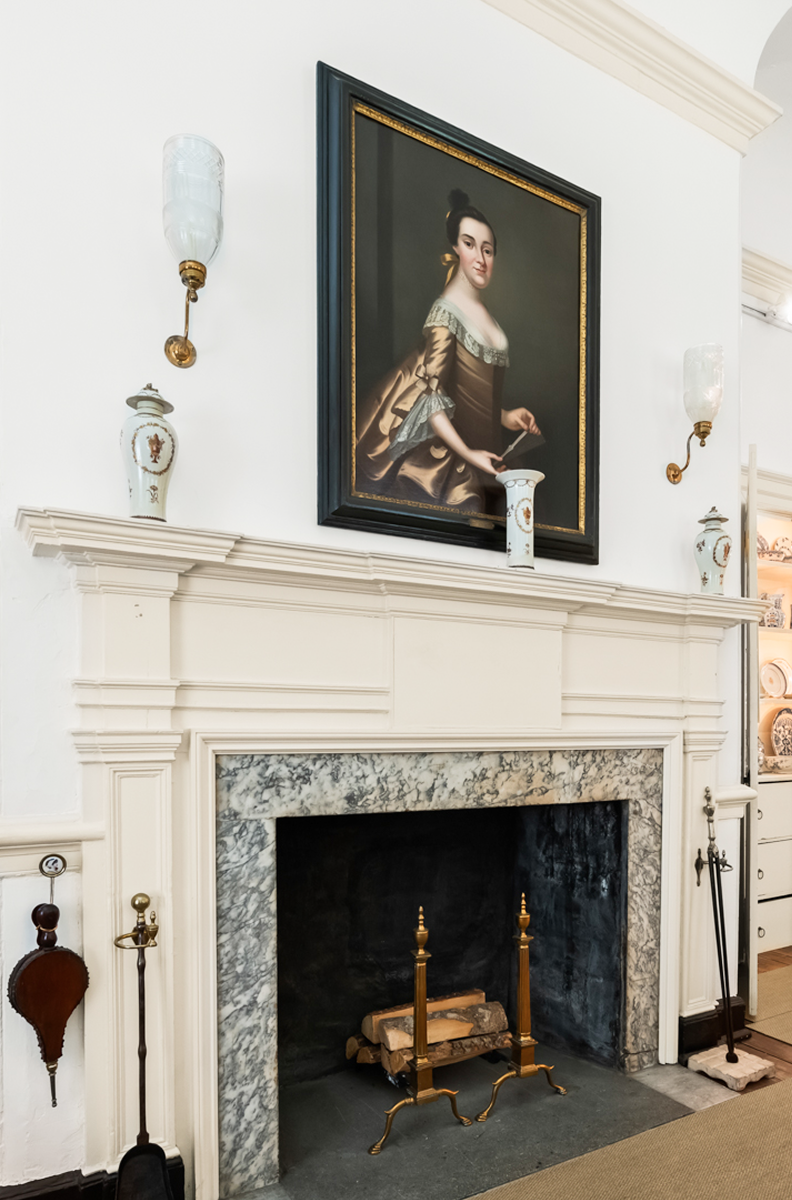
Woodford’s original owner, William Coleman, was a Quaker, merchant, close friend of Benjamin Franklin, and justice of the Supreme Court of Pennsylvania, who helped found the American Philosophical Society and University of Pennsylvania.
-
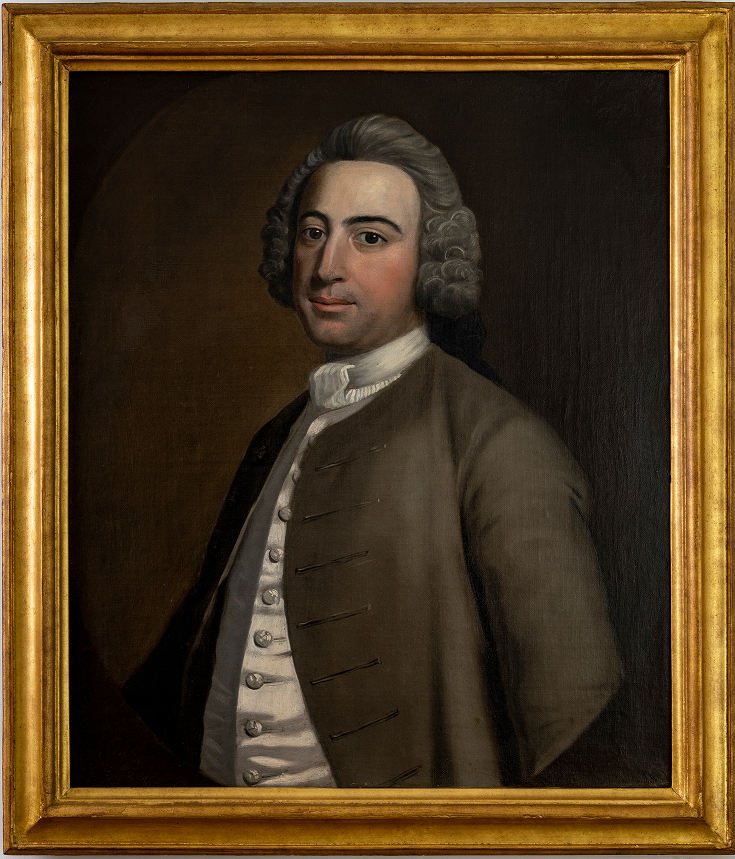
1769–1771
### Alexander Barclay
#### (1712–1771)
An English Quaker and merchant, Alexander Barclay was appointed by King George III as Collector of Customs for Philadelphia and Comptroller for the Port. After the French and Indian War, he enforced the unpopular Sugar and Stamp Acts for the British Parliament.
-
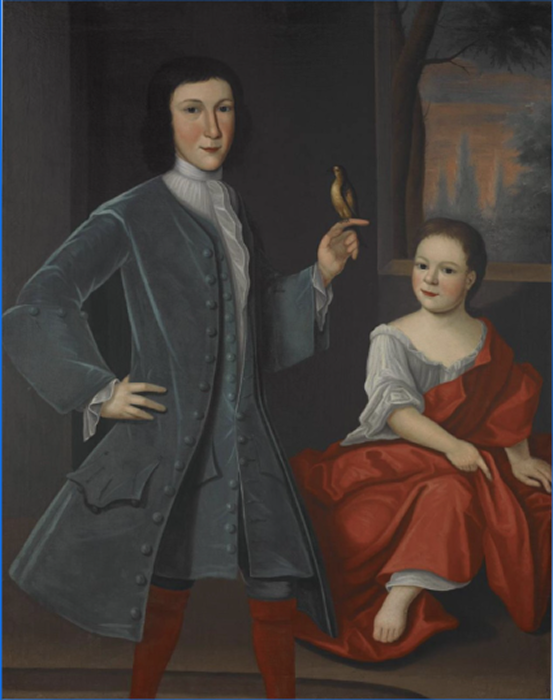
1771–1780
### David Franks
#### (1720–1793)
David Franks was a wealthy Jewish merchant and agent for the British crown. He supplied the British Army in the French and Indian War and the American Revolution, and was eventually arrested for treason, acquitted, and forced to relocate to NYC and England. Photo credit
-
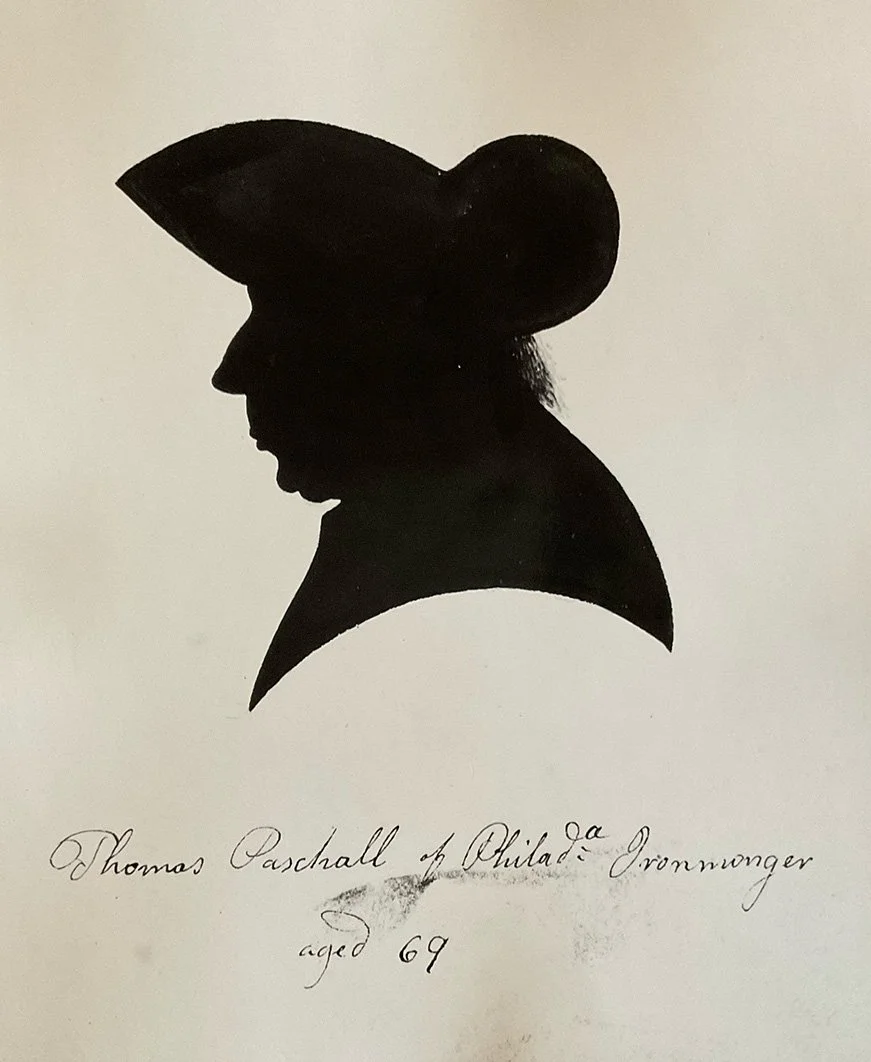
1780–1793
### Thomas Paschall
#### (1722-1796)
David Franks sold Woodford to merchant Thomas Paschall to settle a debt. Paschall never lived at Woodford, he rented it out to various prominent tenants, including David Hayfield Conyngham, a Revolutionary War soldier, and William Lewis, a lawyer and judge who authored the Pennsylvania law which gradually abolished slavery in the state.
-
1793–1869
### Isaac Wharton
#### (1735–1808)
Isaac Wharton, was a prominent Quaker merchant who remained neutral during the American Revolutionary War. His descendents used Woodford as their summer home until after the Civil War.
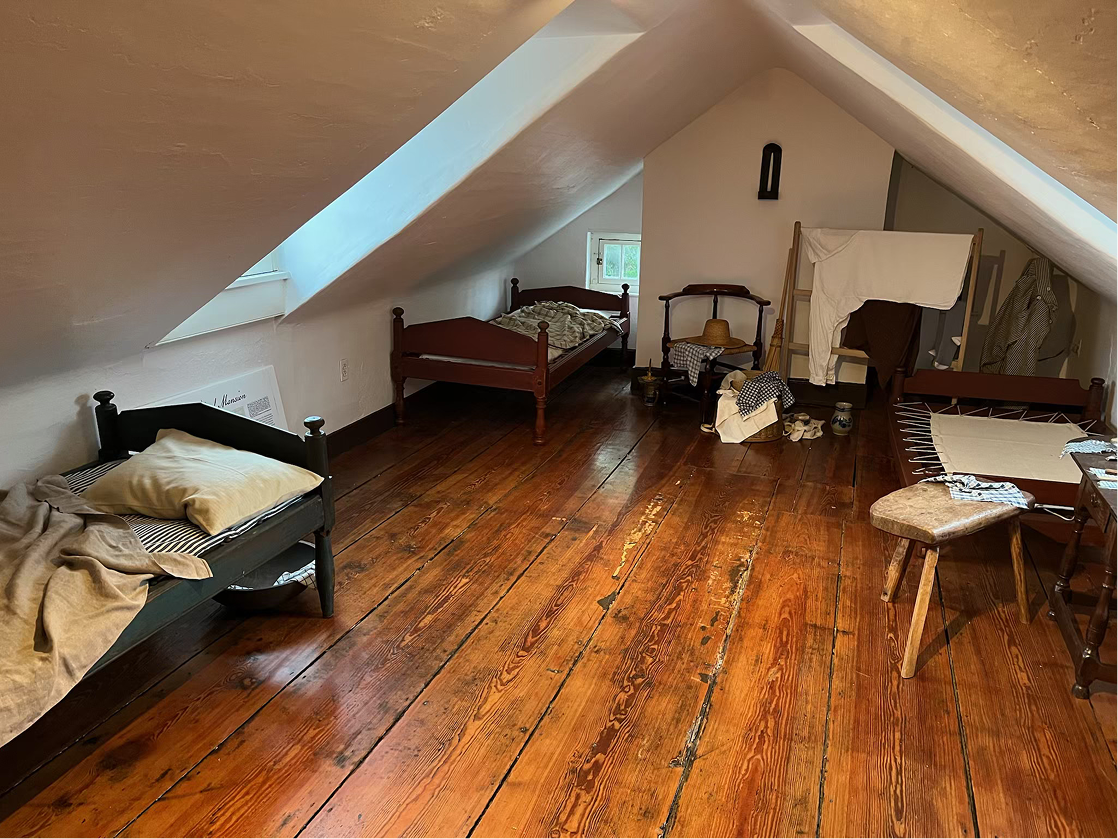
History of enslavement at Woodford.
At least three of Woodford's first five owners—William Coleman, David Franks, and Thomas Paschall—owned enslaved African people during their lifetimes. Thanks to the last will and testament of William Coleman, we know the names of three adult enslaved women: Azmin, Hagar, and Philae. According to his will, the women and their children were to be set free upon Coleman’s death. Woodford Mansion was to be sold, the proceeds of which were used to pay the women and place the children as apprentices with a “reputable person or persons” in order to learn a trade.
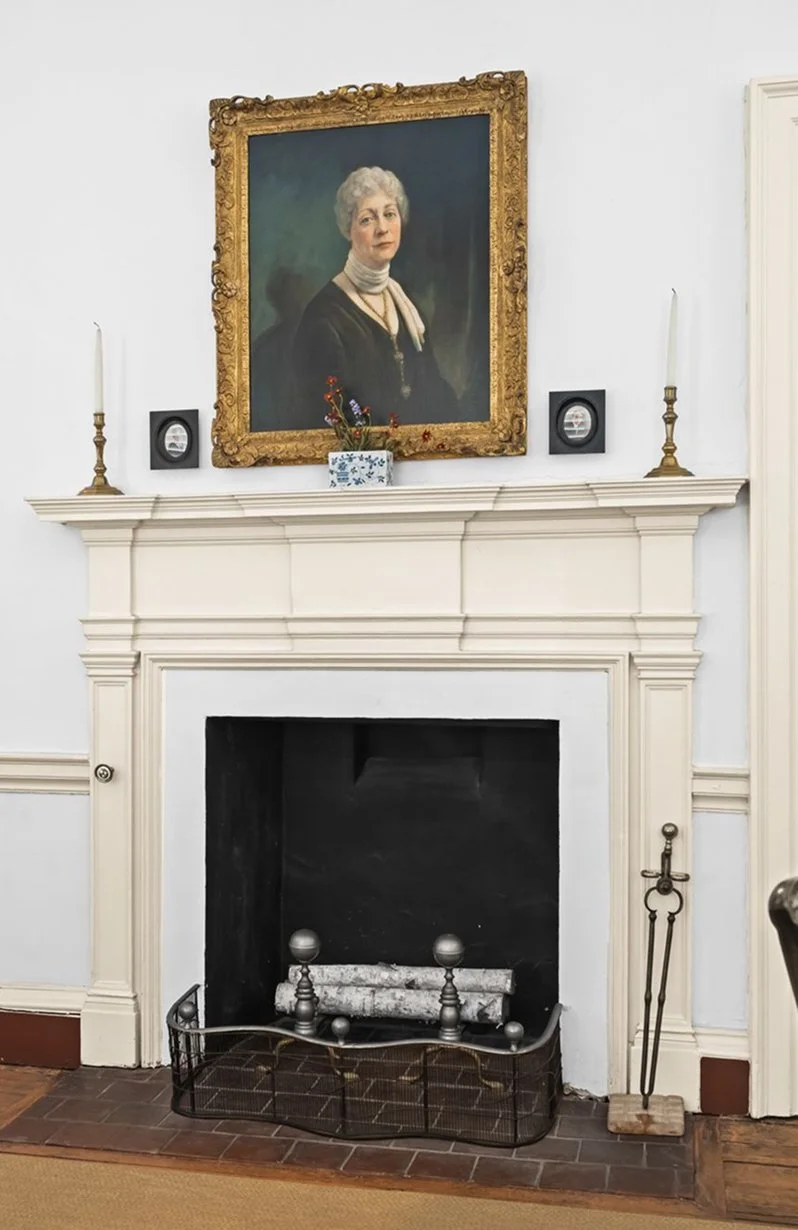
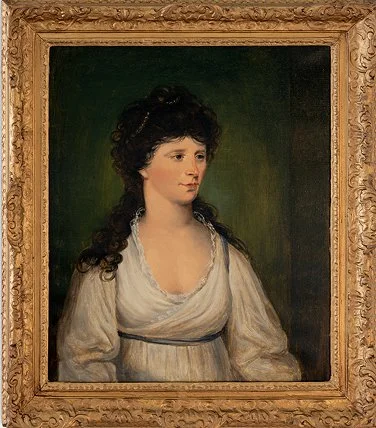
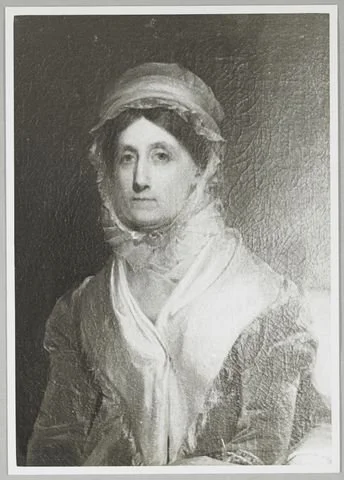
The women of Woodford.
-
(1715–1748)
Wife of William Coleman who raised her orphaned nephew, George Clymer, a future signer of the Declaration of Independence and the U.S. Constitution, as her own.
-
(1716-1784)
The second wife of Alexander Barclay, with whom Barclay purchased Woodford.
-
(1720–1780)
Wife of David Franks, Woodford’s third owner, and sister to Rebecca Barclay, who sold Woodford to the Franks after the death of her husband Alexander Barclay.
-
(1760–1823)
Daughter of David Franks, outspoken British loyalist, and one of the Tory belles feted by British troops during Philadelphia’s occupation.
-
(1760–1831)
Wife of Isaac Wharton and daughter of Francis Rawle, who owned nearby Laurel Hill, one of the Charms of Fairmount Park.
-
(1871–1926)
While not a resident of the mansion, Naomi Wood was a Philadelphia-born collector whose collection transformed Woodford into a house museum.
.webp)
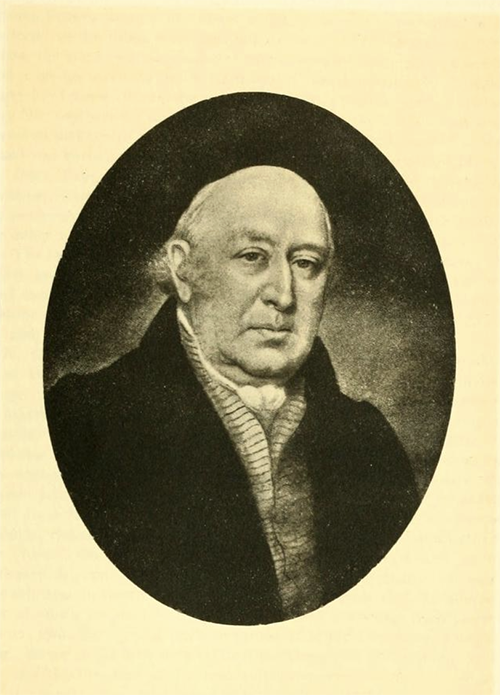
Other notable names etched throughout Woodford’s history.
-
(1739–1813)
George Clymer was raised by his aunt and uncle, Hannah and William Coleman. He is one of only six Founding Fathers who signed both the Declaration of Independence and U.S. Constitution.
-
(1748–1818)
David Hayfield Conyngham was a Revolutionary War soldier who rented the property from Thomas Paschall circa 1783.
-
(1752–1819)
William Lewis, author of the 1780 law providing for the gradual abolition of slavery, rented Woodford while building nearby Historic Strawberry Mansion.
-
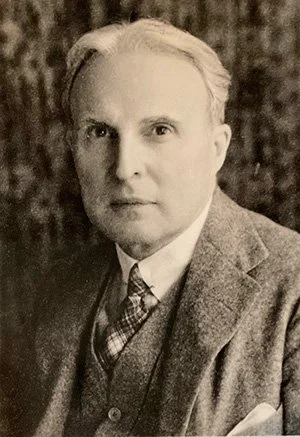
(1881–1943)
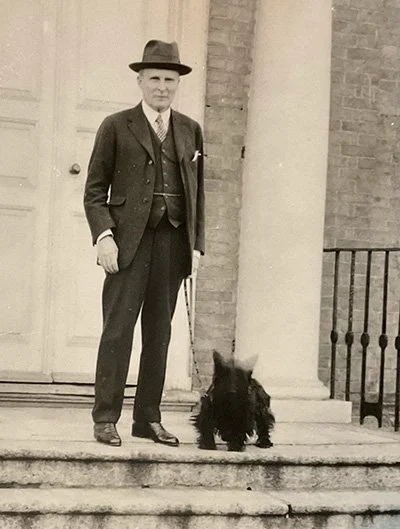
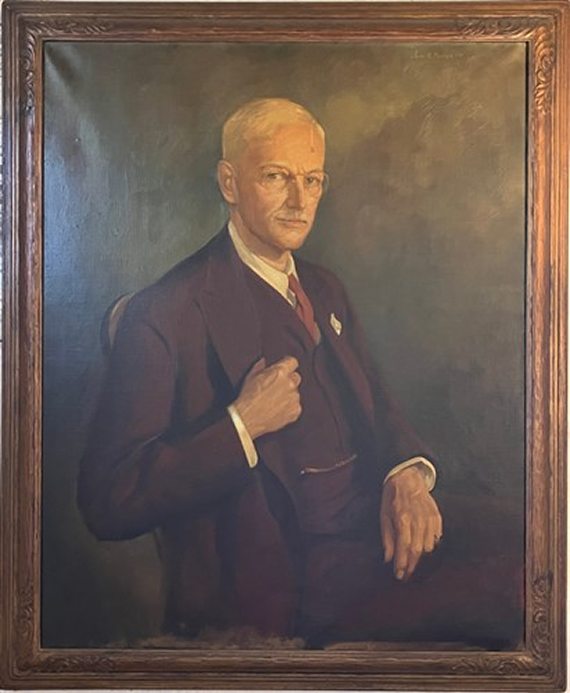
Daniel Huntoon was the first trustee of The Naomi Wood Trust. A close friend and suspected romantic partner of Wood’s, he resided in the home and oversaw the mansion’s restoration.