
The makings of the mansion.
How a country retreat transformed throughout the centuries.

DIVE INTO THE ORIGIN STORY
How a grand summer home was built from the ground up.
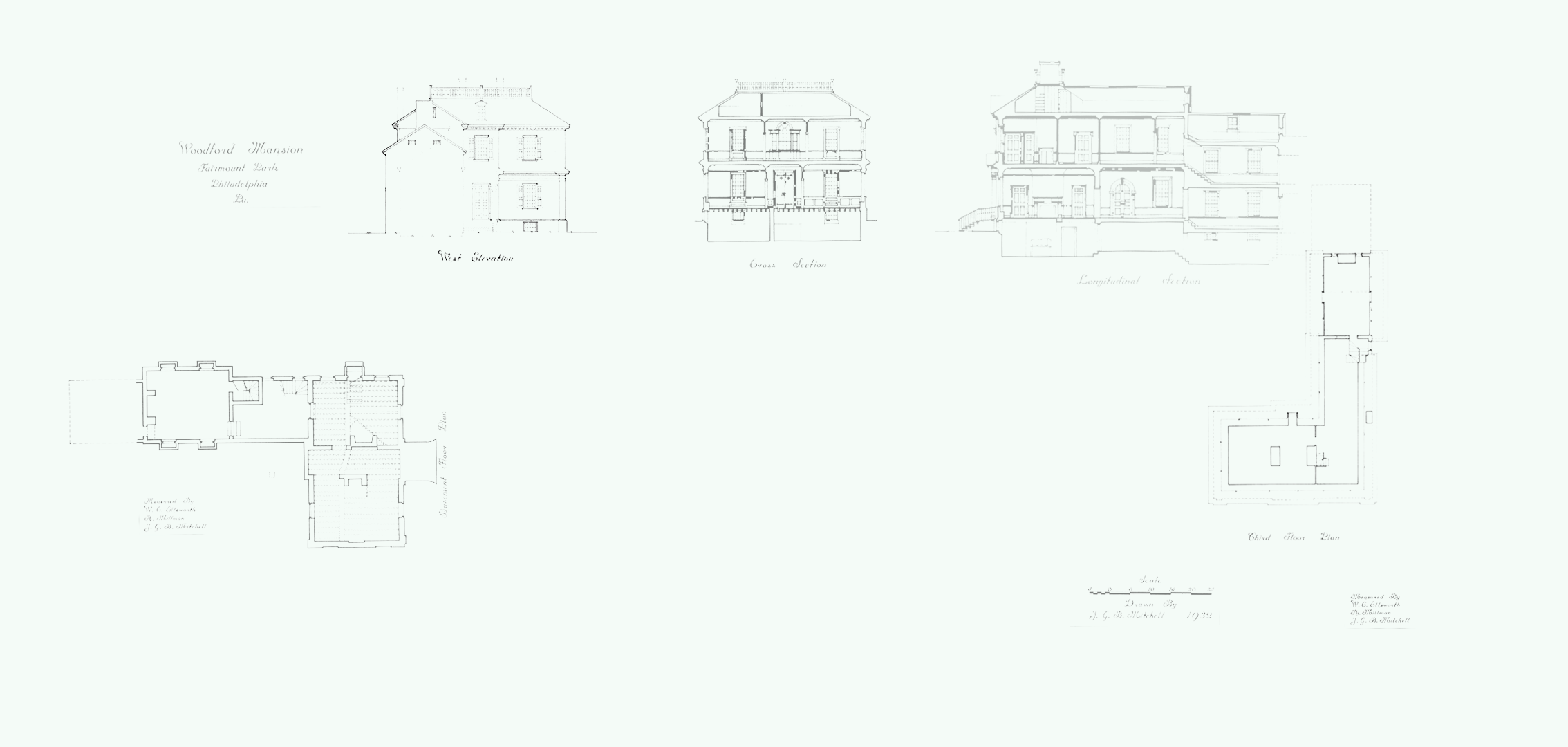
Woodford Mansion did not begin as the property it is today. Originally this land was the traditional homelands of the Lenni-Lenape peoples, Lënapehòkink. The site was granted by William Penn to an Irish Quaker, Dennis Rotchford, who eventually sold it to Thomas Shute. The Shute family farmed it for many years, before selling a portion to William Coleman, a successful merchant and associate justice of the provincial Pennsylvania Supreme Court. From 1756-58, Coleman erected Woodford on twelve acres of land.
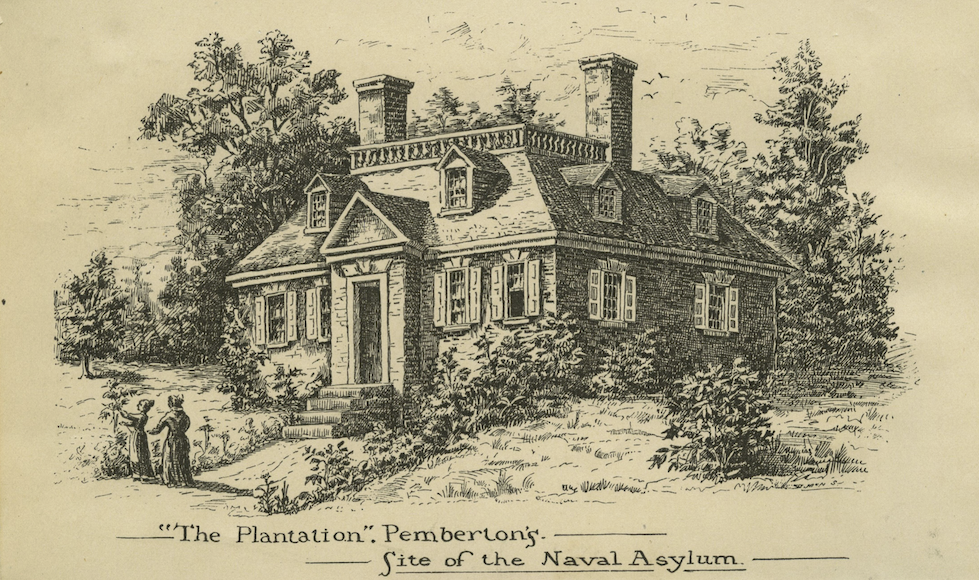
A one-and-a-half-story Georgian-style home, similar to Pemberton’s plantation, it had a symmetrically designed tenant’s cottage and stables. Built along the Schuylkill River and later named for the surrounding woods and ford (river crossing), Woodford was intended as a “gentleman’s retirement” or summer retreat. Like other country escapes, Woodford allowed the Colemans to imitate the fashionable London elite, while avoiding mosquito-born illnesses (such as yellow fever) running rampant during the summer months.
WITNESS THE HOME TAKE SHAPE
Additions through the ages.
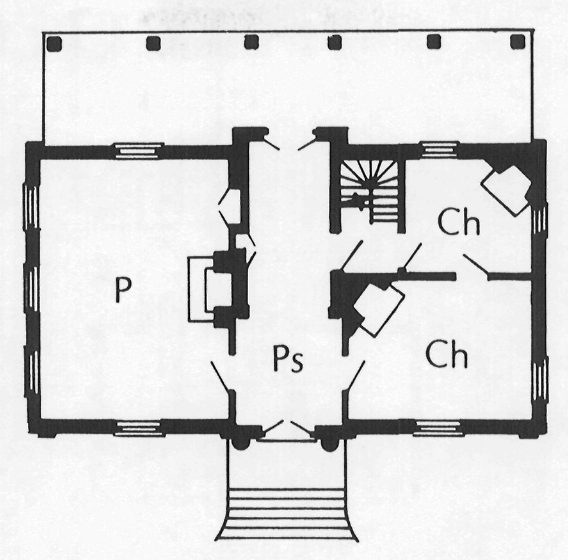
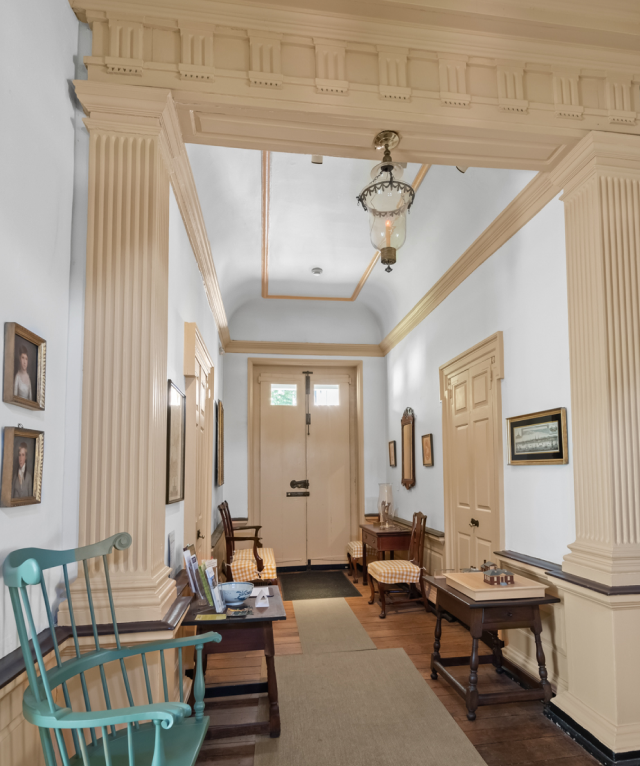
The original Woodford Mansion was a relatively modest structure, inspired by classical Greek and Roman architectural traditions. The formal entry hall at the center of the home was distinguished by its Doric frieze and unusual coved ceiling, with a parlor to the south, two bed chambers to the north, a garret attic, and a basement kitchen. Throughout history, various owners invested in the home’s expansion and renovation, including:
-
1769
### Alexander Barclay adds a piazza (or back porch) to the property
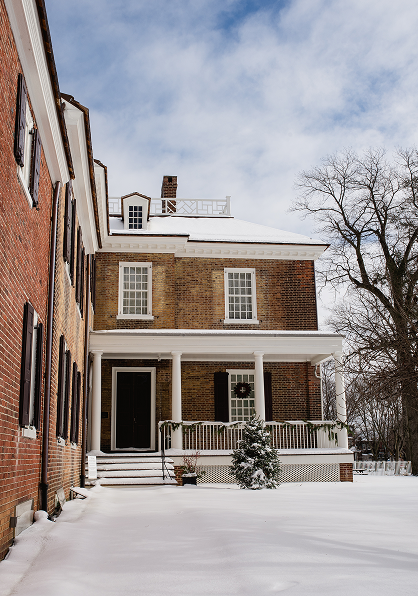
Most likely, the first modification to the house was by Alexander Barclay, the mansion's second owner. Barclay added a rear porch which was noted in the first insurance survey of 1769 as a "quite new piazza, ten feet wide and extending the whole length of the house."
-
1771
### David Franks adds a second floor and rear addition, tripling the size of the home
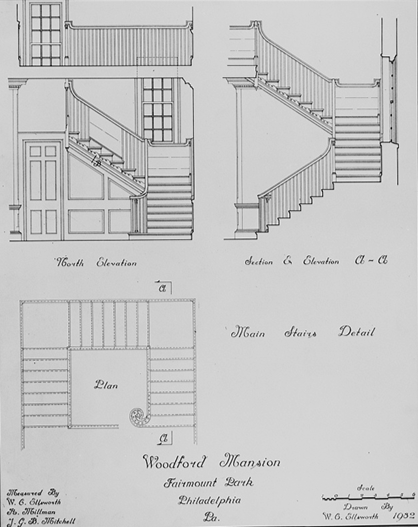
David Franks transformed the summer home into a mansion, allowing space for his four children and the entertainment of guests. Franks added the second floor and rear addition, including an airy stair hall and kitchen. Bed chambers and a large room thought to have served as a ballroom or upstairs parlor were added to the second floor, with an attic above.
-
Circa 1772
### The woodwork is painted to look like expensive mahogany
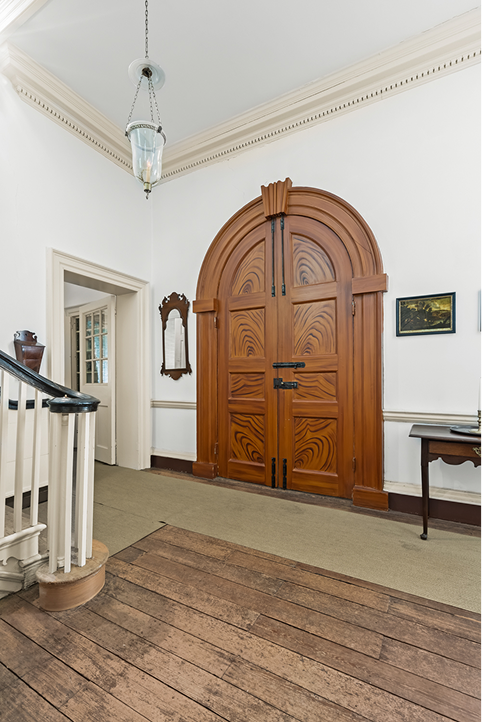
During the Franks period, all the interior and exterior doors and the stair hall woodwork were painted to look like expensive mahogany. Mahogany graining was very fashionable at the time.
-
Circa 1800
### The Wharton family makes several updates to to reflect the popular style of the day
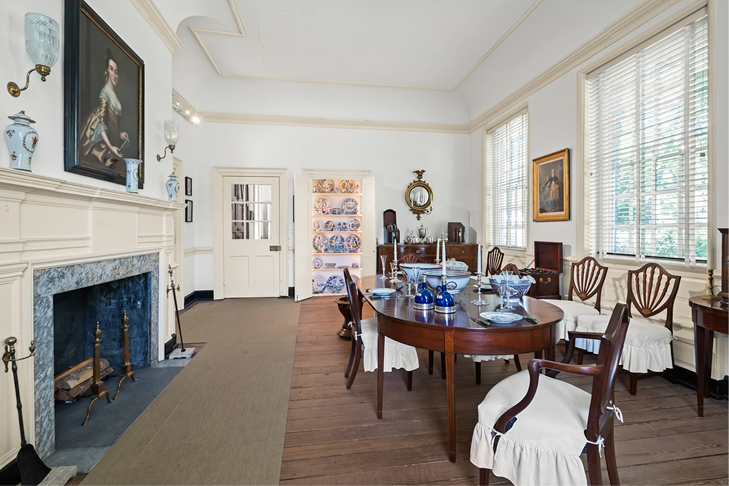
On the first floor, the Whartons combined two bedrooms into a single dining room, removed two corner fireplaces, installed a federal-style fireplace, and added a third window to the north wall. On the second floor, they combined two rooms into one, primary bedroom and installed another federal-style fireplace.
-
1869
### Fairmount Park period begins
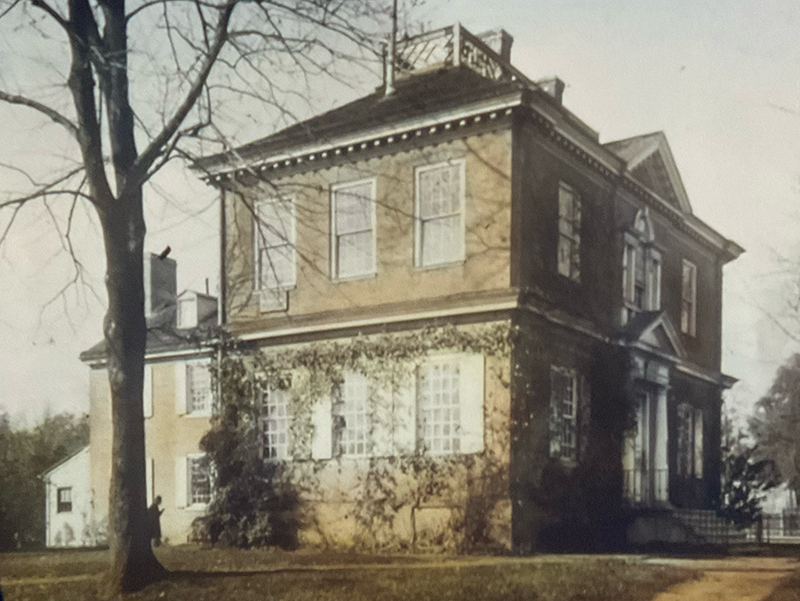
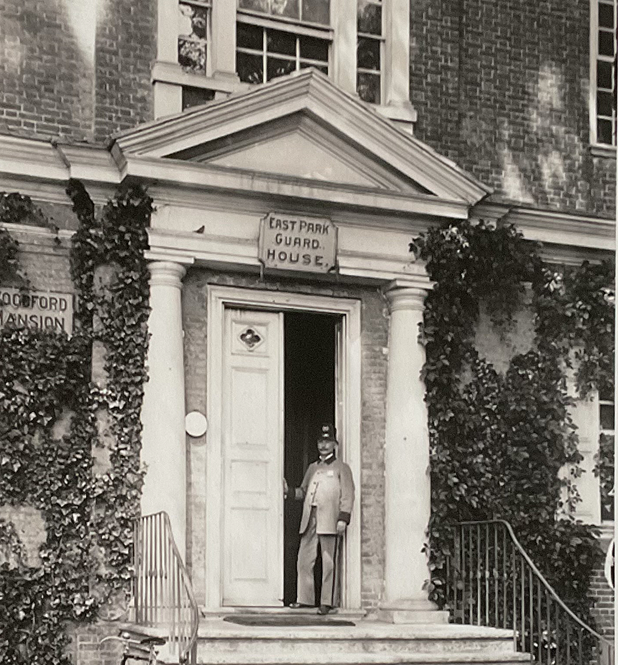
Philadelphia’s Fairmount Park Commission purchased Woodford from the Wharton family. From 1870 to 1884, the Mansion served as the residence of the Chief Engineer of the Fairmount Park Commission. Beginning in 1887, Woodford became the East Fairmount Park Headquarters of the Fairmount Park Guards, and from 1912 until 1926, it served as both headquarters of the Park Guards and the Traffic Court.
-
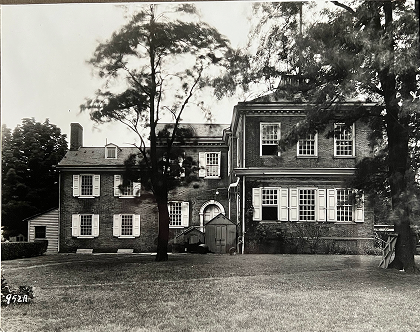
1927–1930
### The Naomi Wood Trust conducts extensive renovation, transforming the mansion into a museum
The Naomi Wood Trust renovated the property to prepare for public visitors and provide living quarters for onsite caretakers. These renovations added a bedroom, public bathroom, and modern kitchen to the property.
-
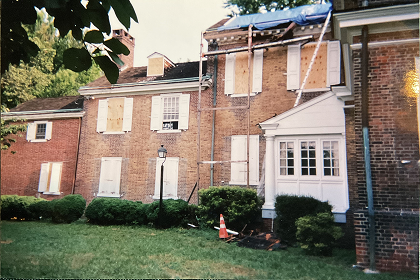
2003
### A fire breaks out at the mansion, burning the attic
While very little of the Naomi Wood Collection was lost, everything in the house was damaged by smoke and water.
-
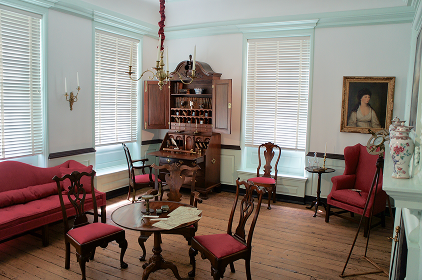
2005
### Historically accurate paint colors and finishes
After the fire, it took two years of repairs and renovations for Woodford to reopen. As a silver lining, the fire allowed the Trust to repaint the interiors based on scientific analysis of interior paint samples. The restored interior provides a closer reflection of the lives and tastes of the original owners. And new research and discoveries continue to be made.
UNCOVER OUR RESTORATION PROJECTS
Retelling stories.
Restoring spaces.
Our efforts to preserve this home coincide with our efforts to preserve colonial history as a whole. Special thanks to the Pennsylvania Historical & Museum Commission (PHMC), the Institute of Museum and Library Services (IMLS), and the William B. Dietrich Foundation for making these initiatives possible.
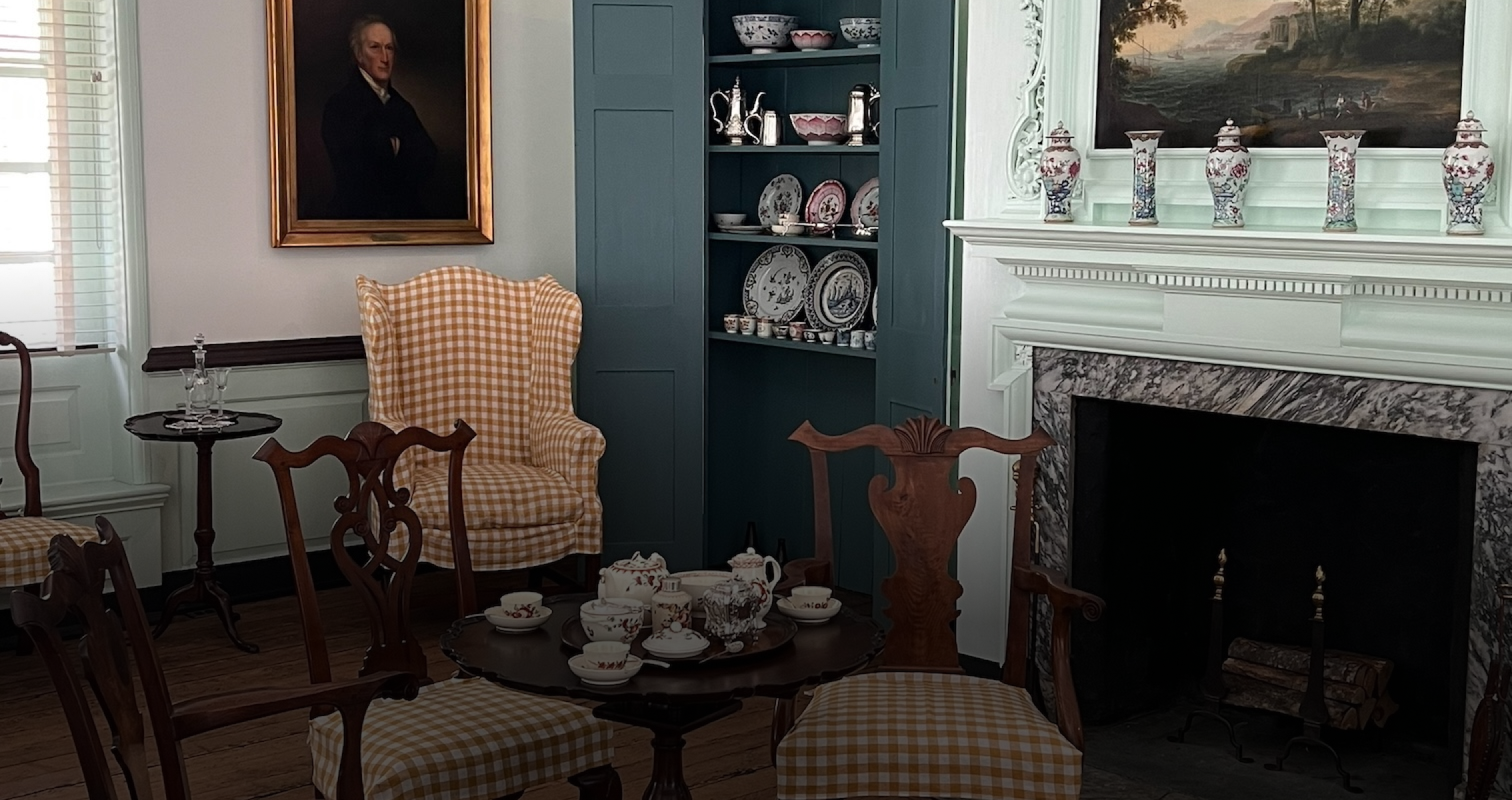
1756 BOWFAT
Restoring a china closet in the parlor
Made possible by generous donors to the Naomi Wood Trust.
About the project
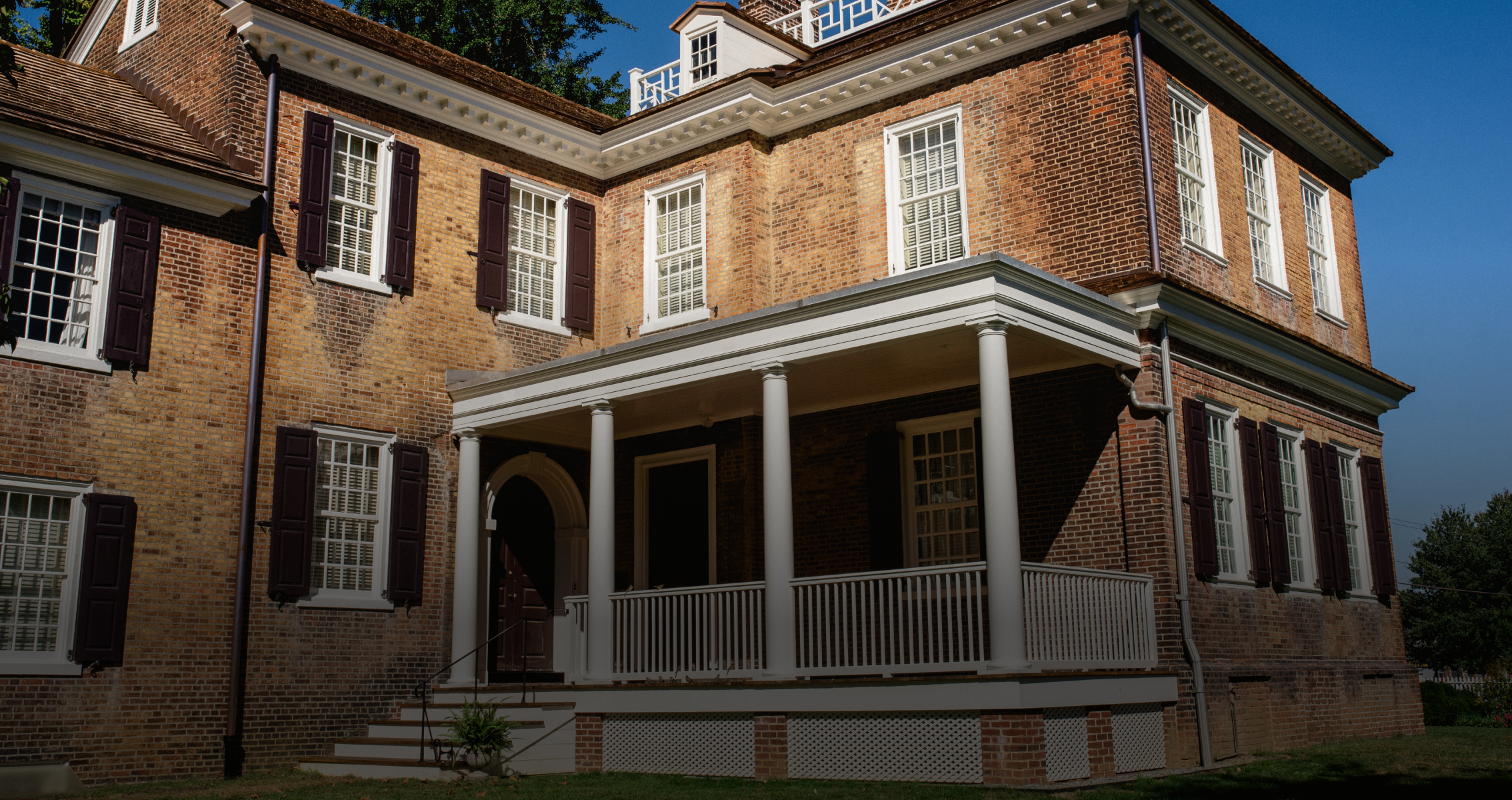
CIRCA 1772 PIAZZA
Restoring a colonial porch with the original brick piers
Recipient of the 2021 Preservation Achievement Grand Jury Award by the Preservation Alliance.
Made possible by the Pennsylvania Historical & Museum Commission (PHMC) and William B. Dietrich Foundation.
About the project
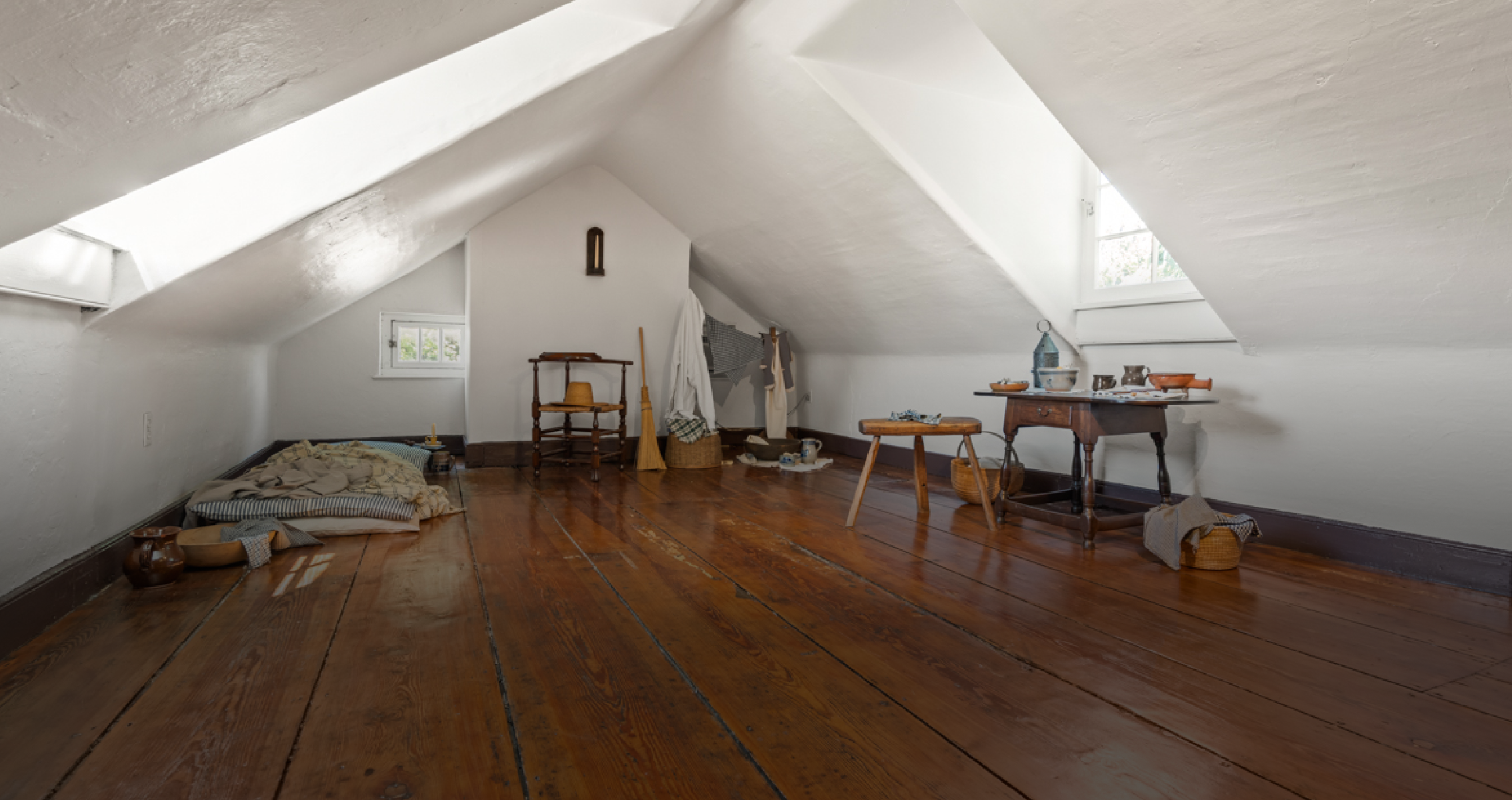
THIRD STORY ATTIC GARRET
Restoring the quarters for enslaved people
Recipient of the 2024 Pennsylvania Historic Preservation Construction Award.
Made possible by the Pennsylvania Historical & Museum Commission (PHMC) and generous donors to the Naomi Wood Trust. About the project
EXPLORE THE GROUNDS
The orchards, gardens, and forests of Woodford.
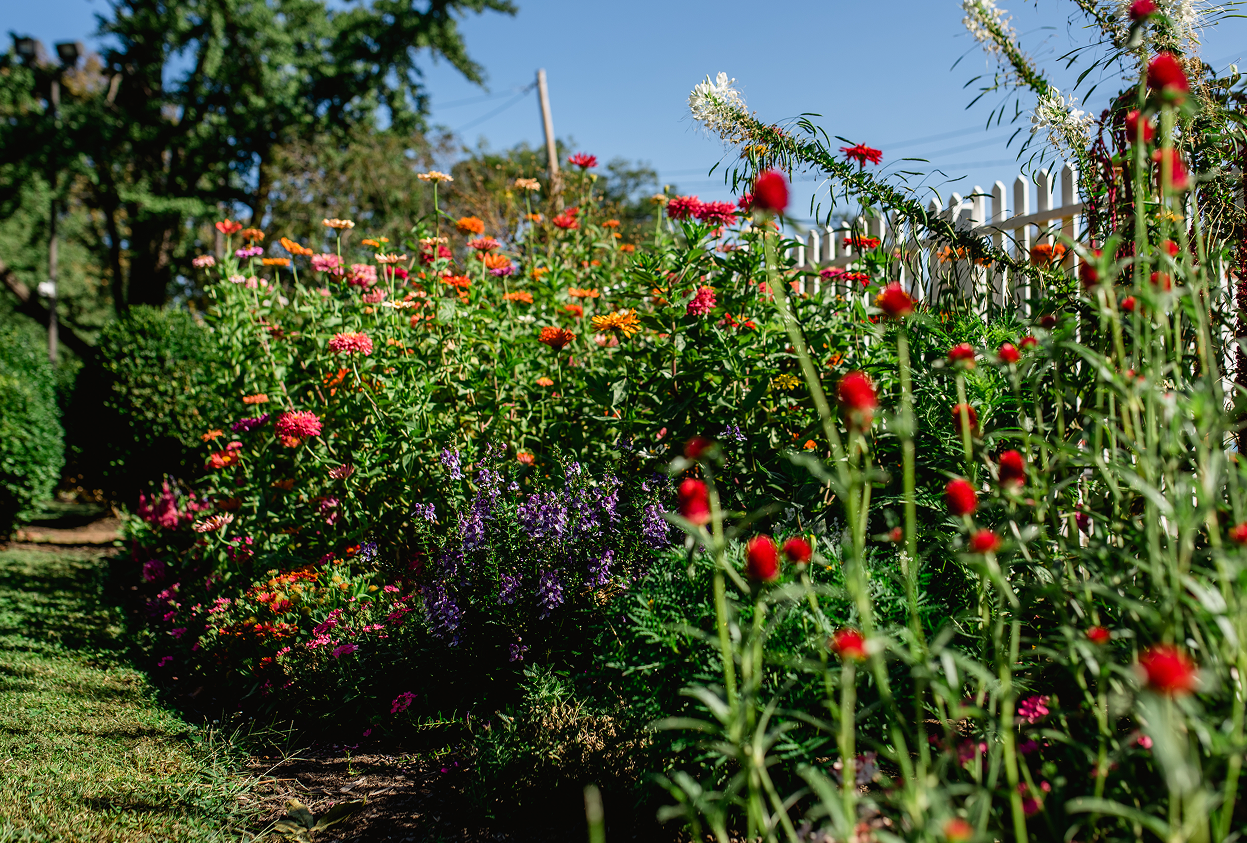
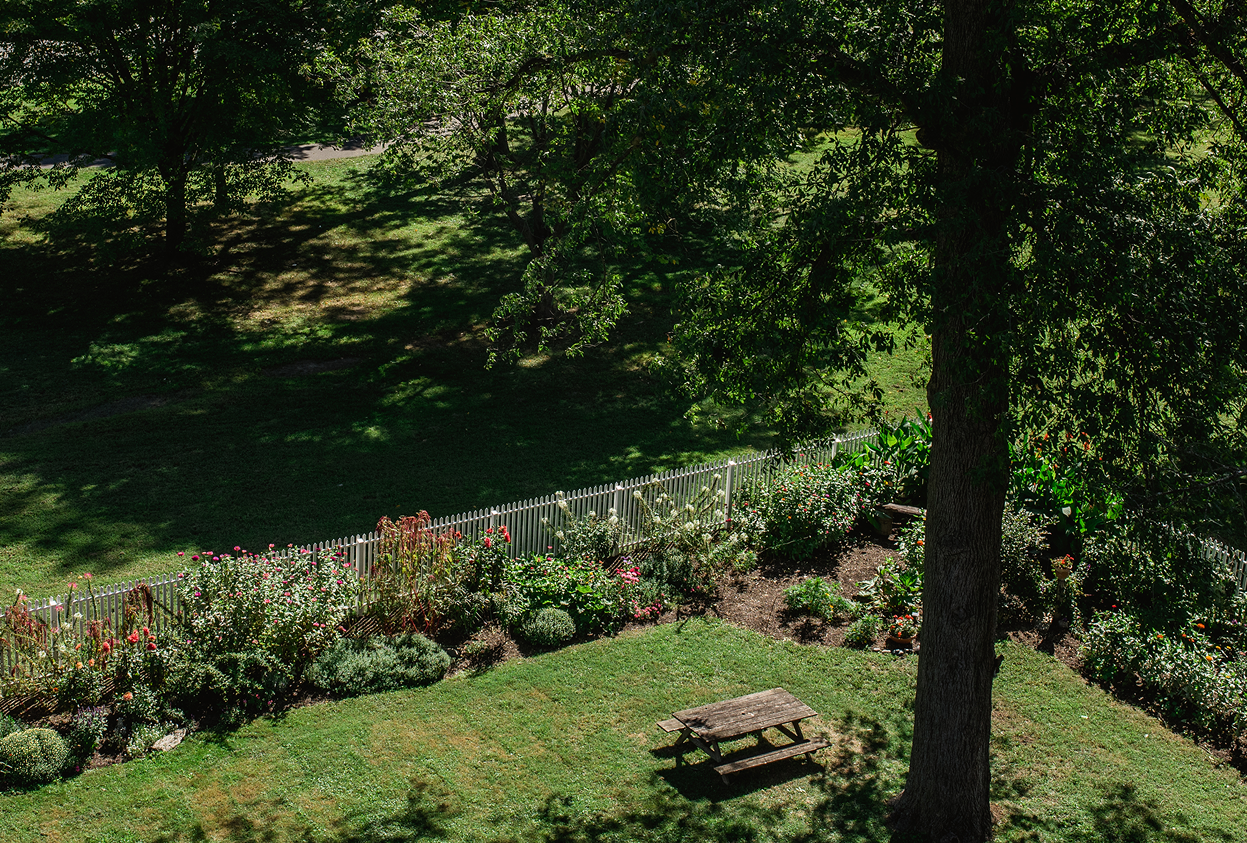
While little is known of Woodford’s original landscaping, a 1769 issue of The Pennsylvania Gazette described the property as having “a handsome garden, a thriving orchard of good apple trees and other fruit, and a well of excellent water.” Throughout the years, the Naomi Wood Trust has partnered with and supported various groups to restore the grounds inside and around the mansion, designing an organic, eco-orchard, 18th-century gardens, and surrounding food forest.
TEST YOUR KNOWLEDGE
A little Woodford wisdom: Fun facts about the property.
-
![Woodford Mansion U.S. State Department]()
### A diplomatic reception room in the U.S. State Department is modeled after Woodford’s entrance hall.
-
![Woodford Mansion Samuel Harding]()
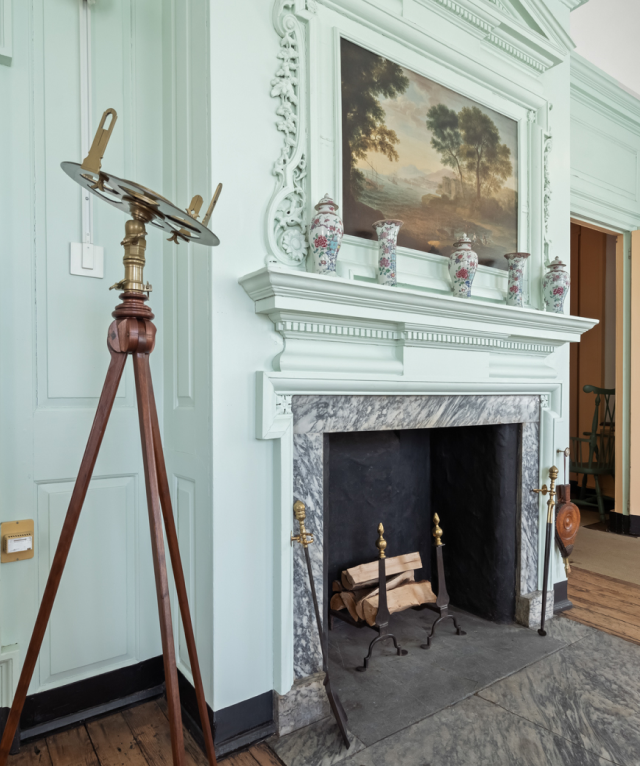
### The parlor fireplace overmantel was probably carved by Samuel Harding, who carved architectural details at Independence Hall.
-
![]()
### Woodford has been used as a summer retreat, a police headquarters, a traffic court, and now a museum.
-
![]()
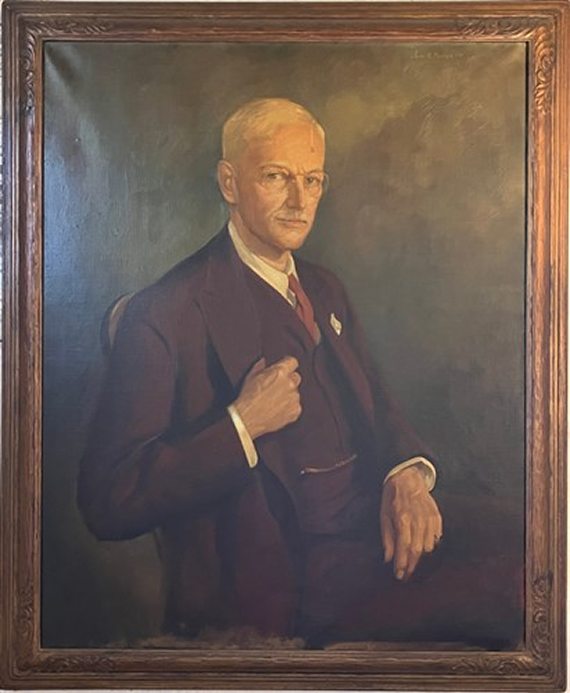
### John P. B. Sinkler, Woodford’s restoration architect and second trustee, was the architect for the City of Philadelphia and collaborated on the 1926 Sesquicentennial High Street Exhibition.
PLAN A DAY TRIP
A tale of leisure and luxury—the Charms of Fairmount Park.
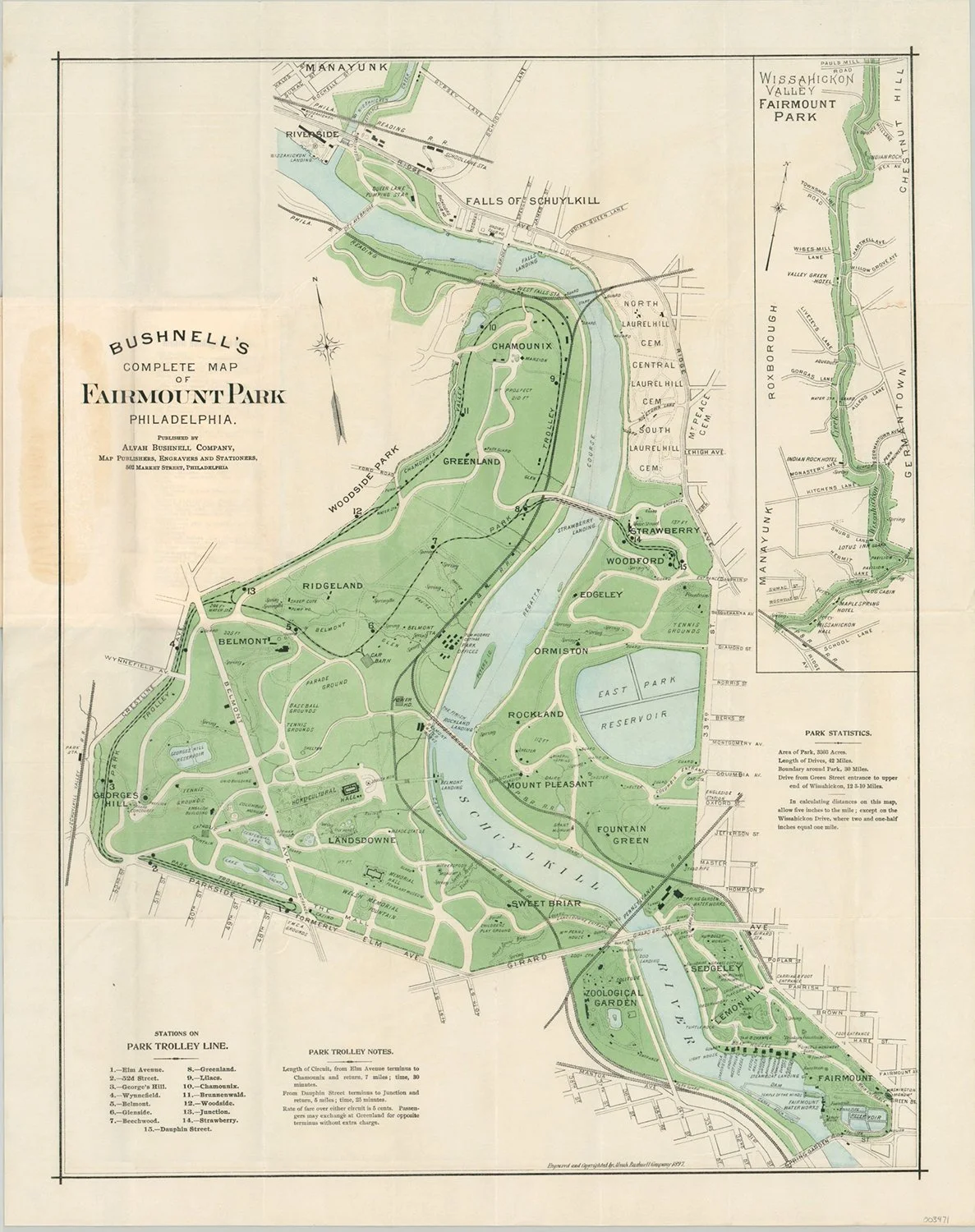
Within East Fairmount Park, seven remaining historic homes provide a glimpse into 18th-century living. Serving as summer escapes for Philadelphia’s well-to-do residents, the “Park Charms” include Historic Strawberry Mansion, Laurel Hill Mansion, Mount Pleasant, Cedar Grove, Lemon Hill, and—of course—Woodford. Today, visitors can easily make a day of visiting the surrounding sister properties.
-
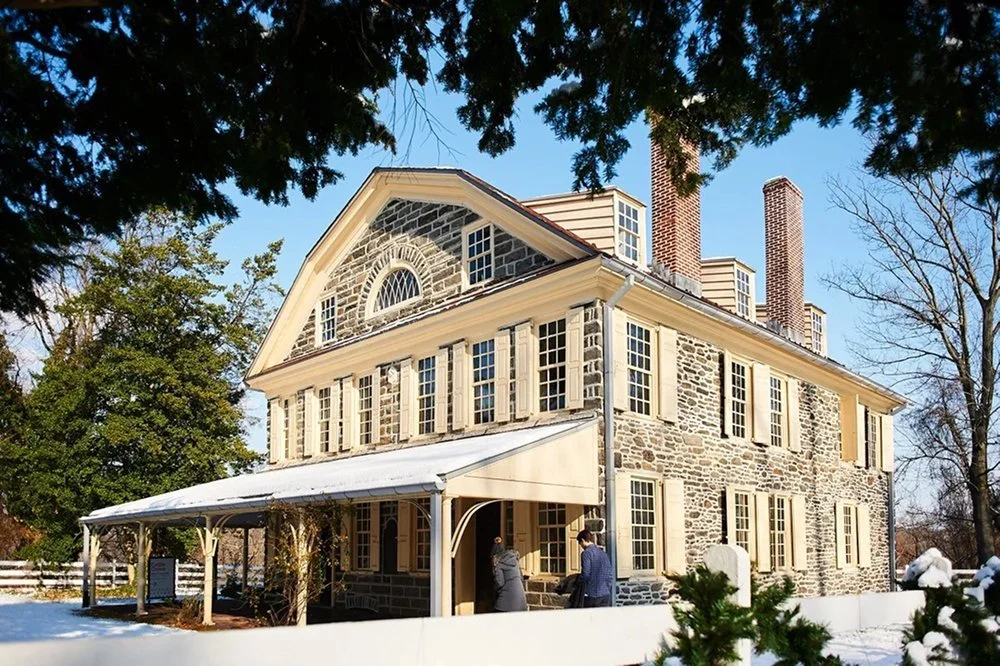
Cedar Grove Mansion
-
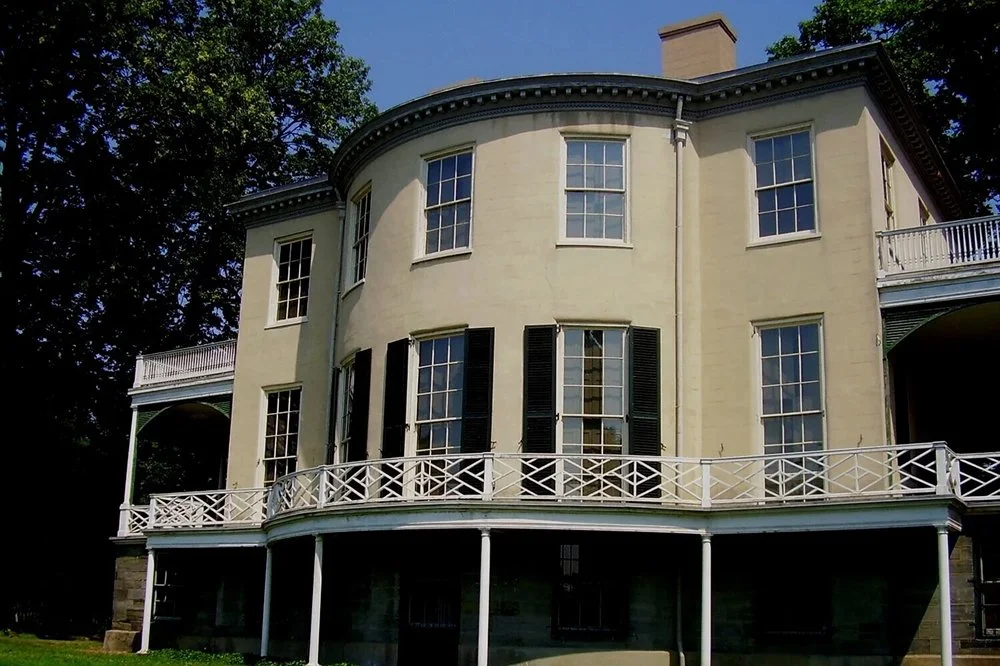
Lemon Hill Mansion
-
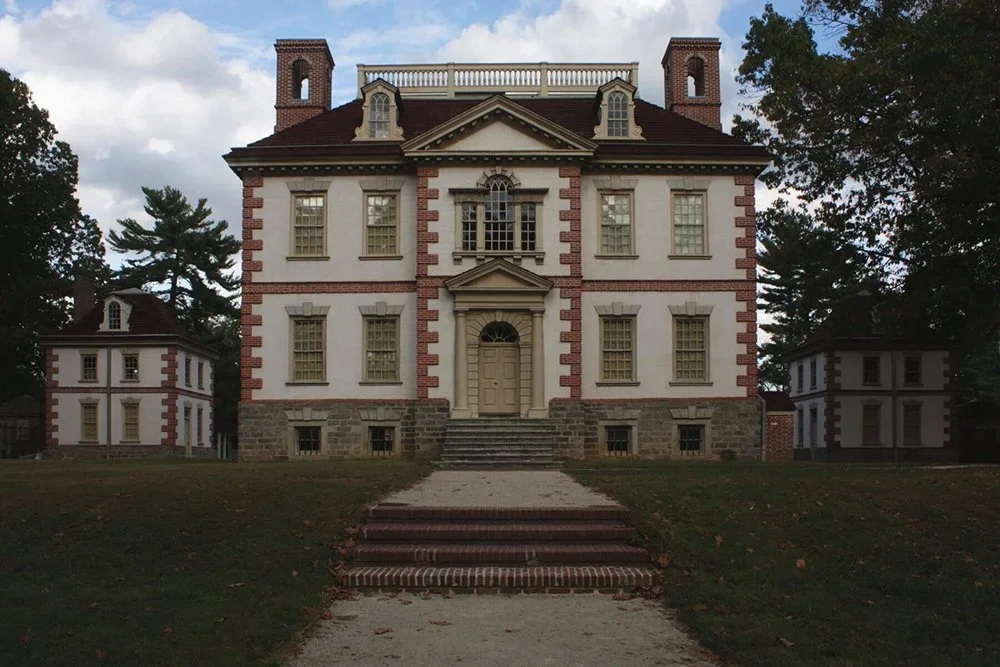
Mount Pleasant Mansion
-
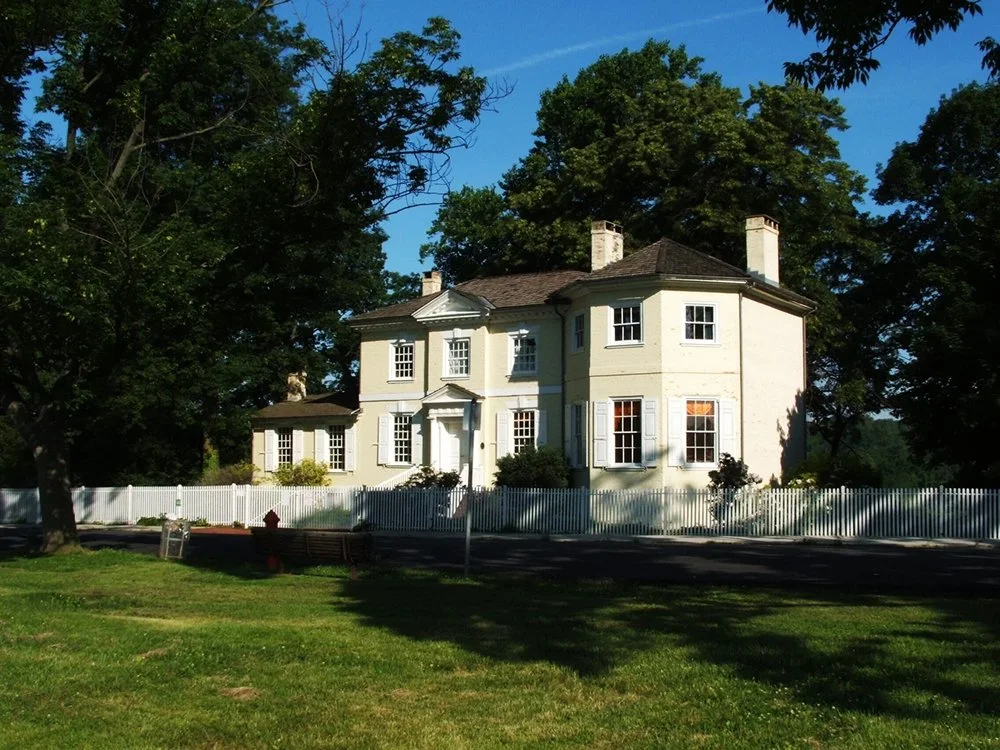
Laurel Hill Mansion
-
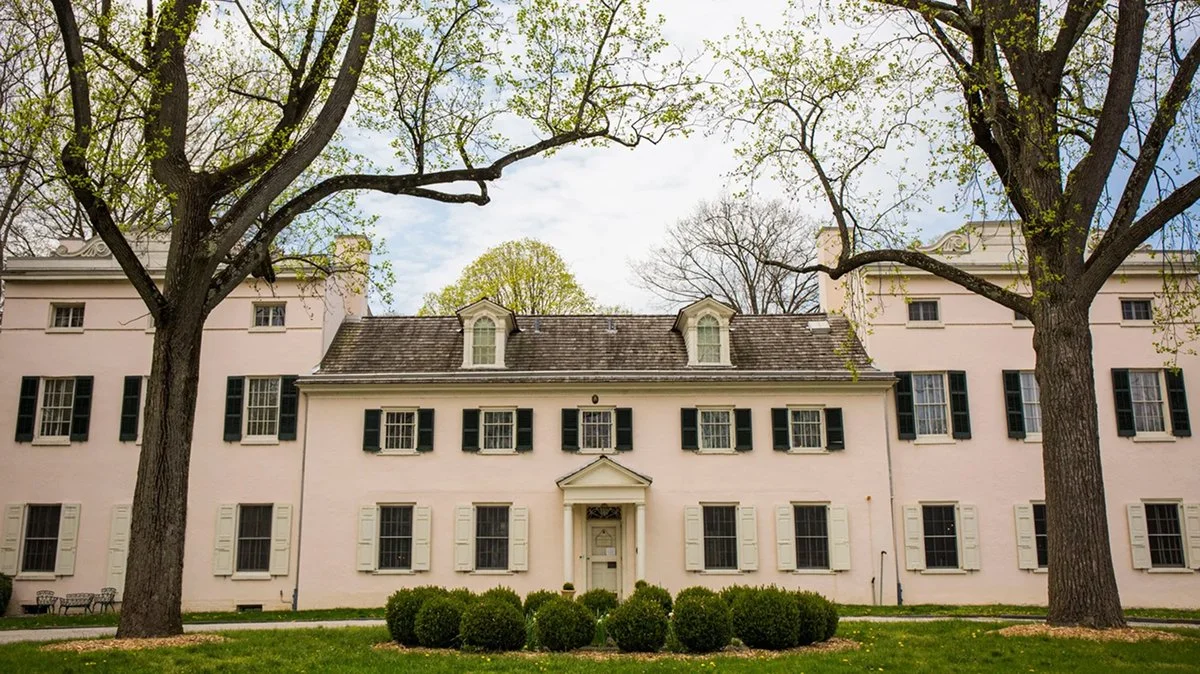
Strawberry Mansion
Open 10AM–4PM, Thursday–Sunday, April–December
2450 Strawberry Mansion Drive
Philadelphia, PA 19132 -
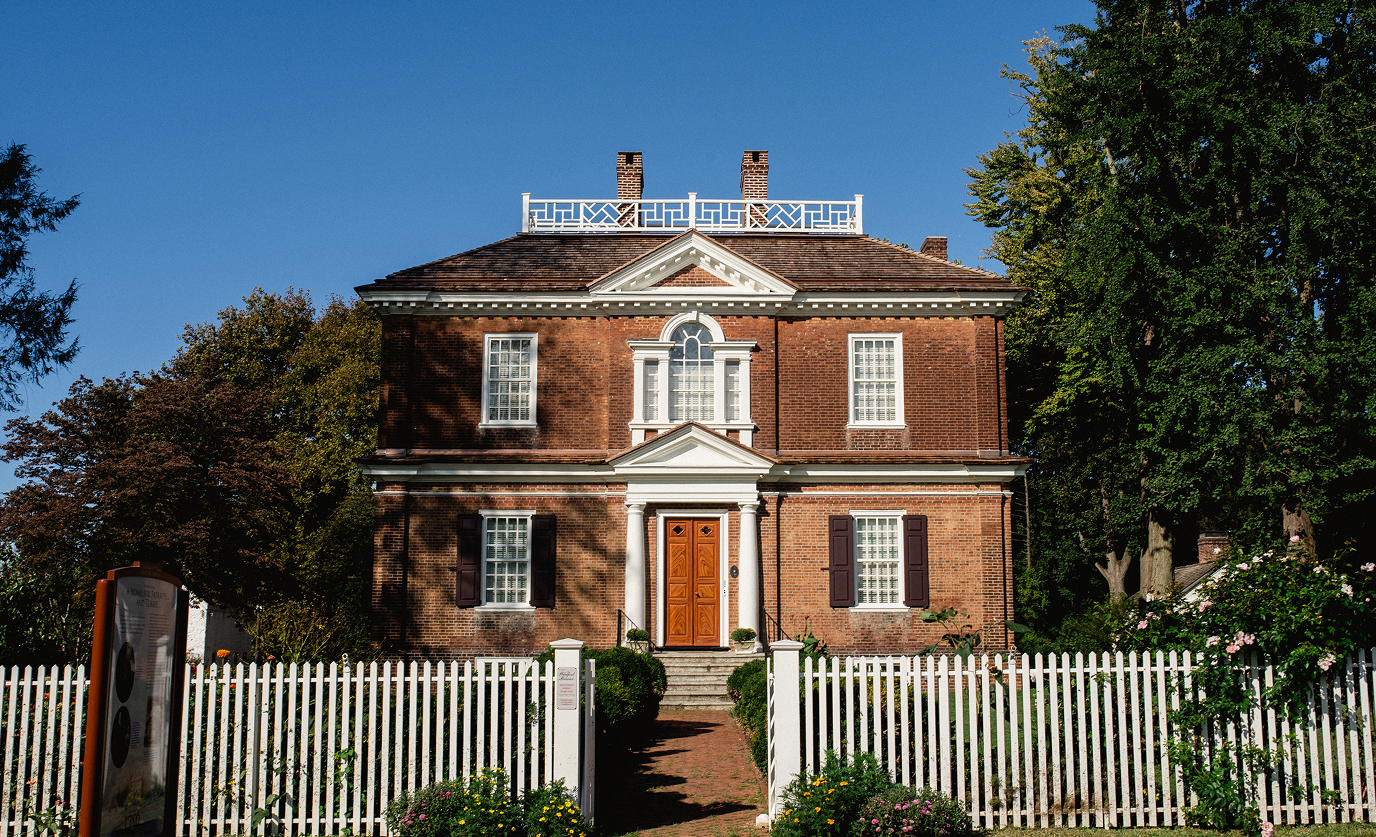
Woodford Mansion
Open 10AM–4PM, Wednesday–Sunday, year round
2300 N 33rd Street
Philadelphia, PA 19132 -
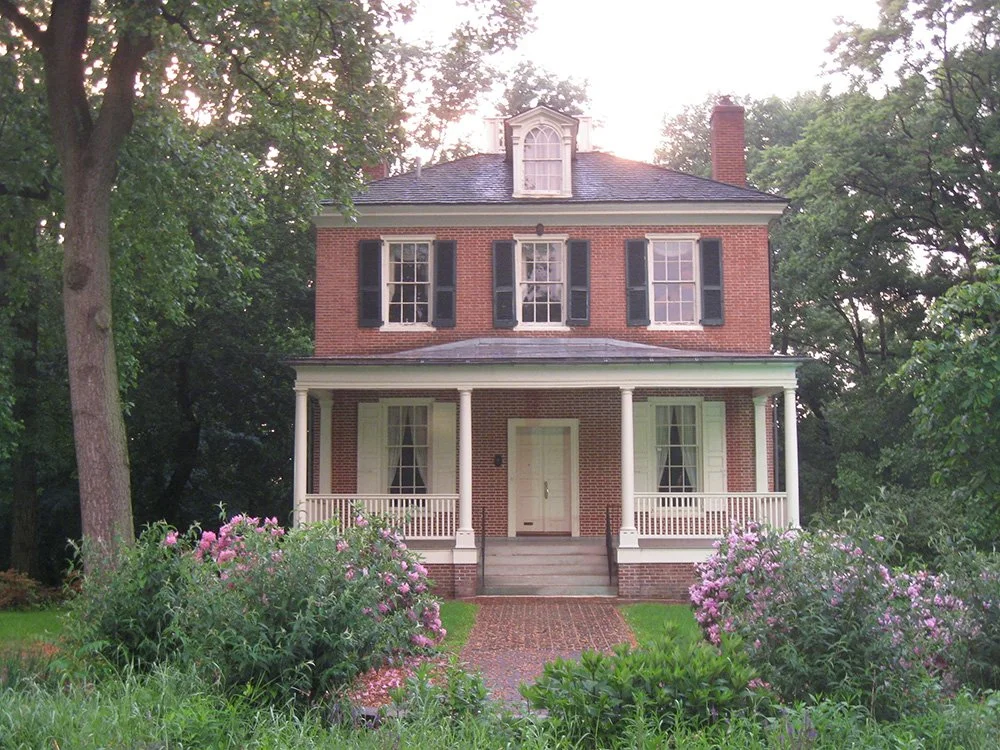
Ormiston Mansion
Open the first three weekends each December (Friday-Sunday). Guided tours and complimentary tea and cookies are $5.00 for adults and children are free.
Ormiston Mansion is also open in mid-May during the Fairmount Park spring tours and admission is free.
GET INVOLVED
Help preserve a piece of colonial Philadelphia.
VOLUNTEER AT WOODFORD
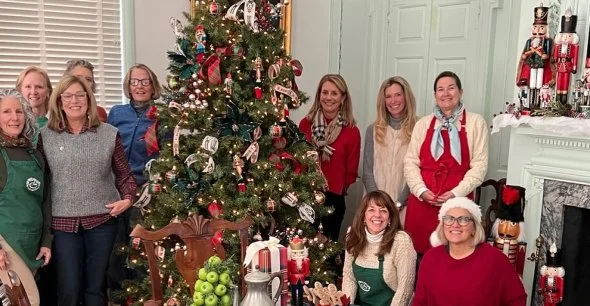
We always welcome new volunteers, helping to share this extraordinary house, garden, and collection with visitors—particularly around the holidays and for special events. To volunteer, please email or call us at 215-229-6115.
SUPPORT THE PROPERTY
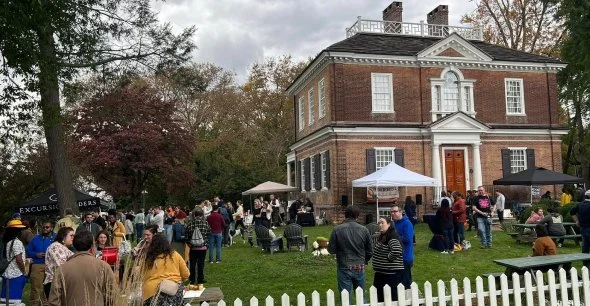
Your tax-deductible gift helps preserve an important part of Philadelphia’s and the nation’s history and enables us to provide educational, outreach, and restoration initiatives. We deeply appreciate your support.