
Woodford’s first owner, 1756–1759
William Coleman
(1704–1769)
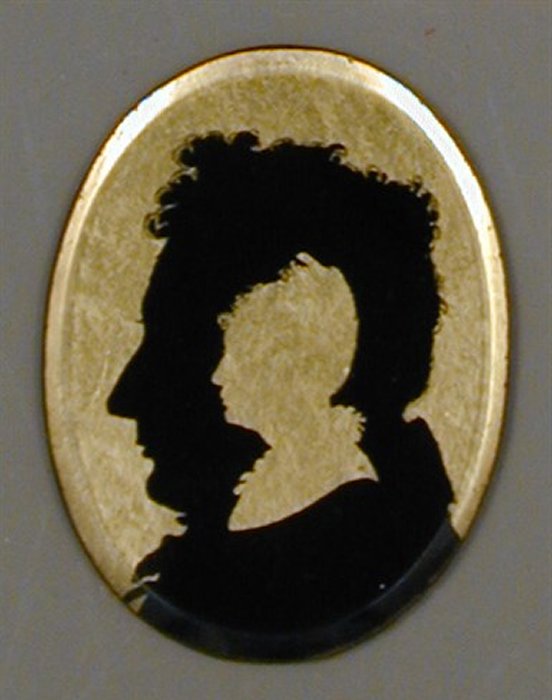
Woodford’s original owner, William Coleman, was a Quaker, merchant, close friend of Benjamin Franklin, and justice of the Supreme Court of Pennsylvania. He was a founding member of Franklin’s Junto, which helped create the American Philosophical Society and University of Pennsylvania.
HIS ROOTS
A self-made, self-educated man building a summer home.
William Coleman was a Quaker and the son of a joiner. He started out as a clerk in a merchant’s shop, eventually becoming a prosperous merchant himself. A self-made, self-educated man, he was appointed to various judicial positions, including Associate Justice on the Provincial Pennsylvania Supreme Court. He served on the Pennsylvania Commission overseeing the drawing of the Mason-Dixon Line.
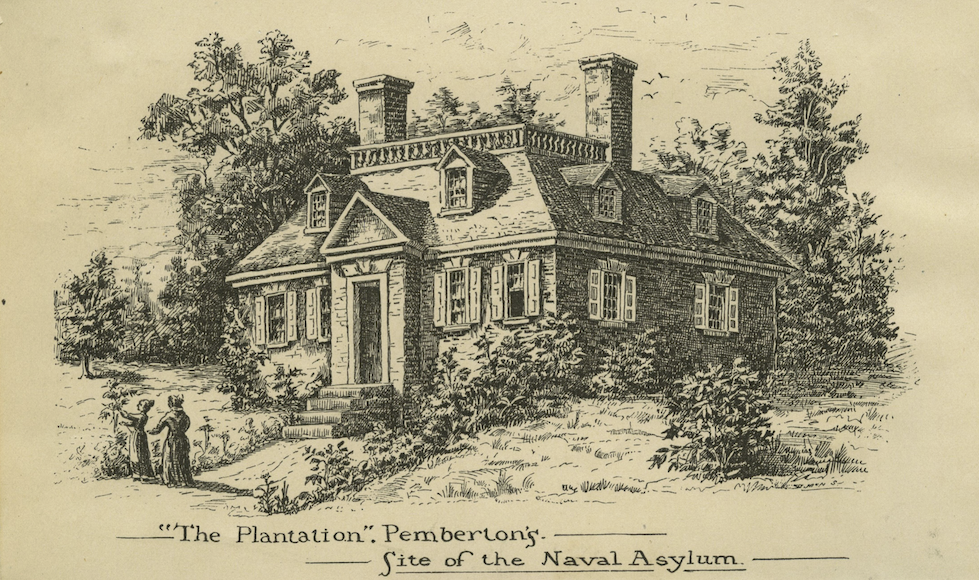
From 1756–58, Coleman had Woodford constructed on twelve acres of land. The original structure was a modest, one-and-a-half-story summer home, similar to Pemberton’s plantation, with an additional tenant’s cottage and stables.
HIS CONNECTIONS
Coleman’s friendship with Benjamin Franklin.
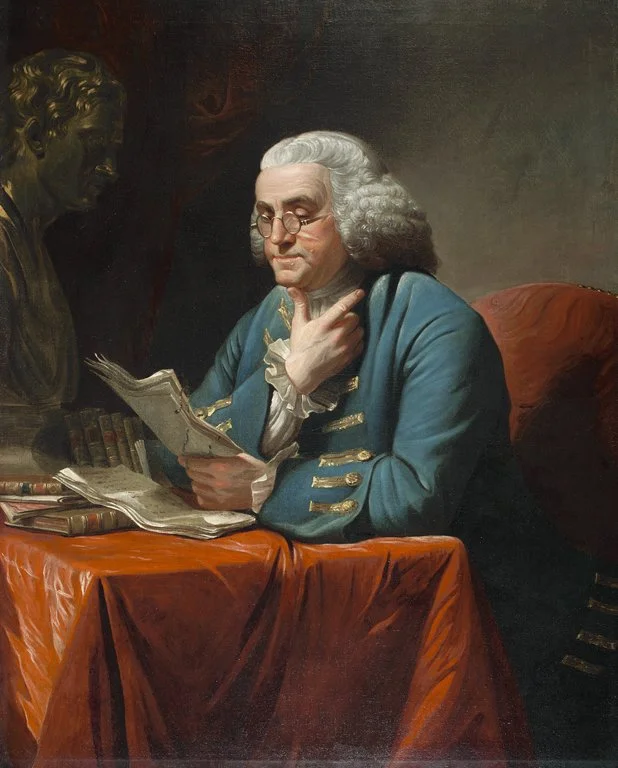
William Coleman was a close friend of Benjamin Franklin and a founding member of Franklin’s Junto, or club of mutual self-improvement. Franklin once said of Coleman, “He has the coolest, clearest head, the best heart, and the exactest morals of almost any man I ever met.”
Coleman partnered with Franklin in many civic ventures, including launching the Library Company of Philadelphia, the American Philosophical Society, the Pennsylvania Hospital, and the Academy and College (now University of Pennsylvania). Despite his Quaker faith, Coleman joined with Franklin to support measures for the defense of Philadelphia and the Delaware Bay from attacks by French and Spanish privateers. For these actions he was Read out of the Quaker Meeting.
HIS FAMILY
Raising George Clymer as his own.
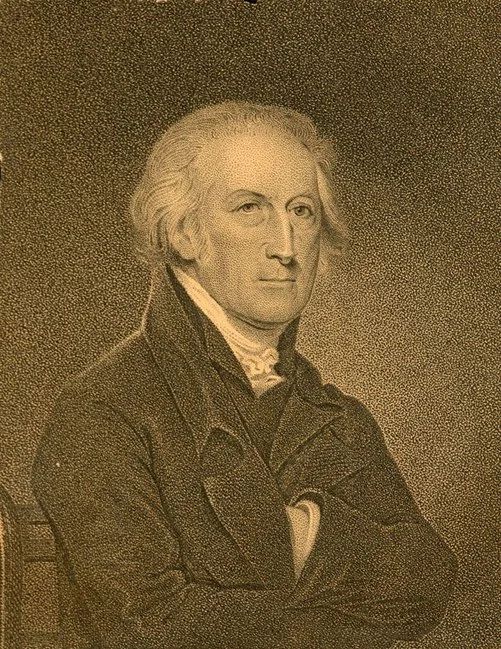
William and his wife, Hannah, raised Hannah’s orphaned nephew, George Clymer, as their own. Clymer went on to be just one of six founding fathers who signed both the Declaration of Independence and the U.S. Constitution.
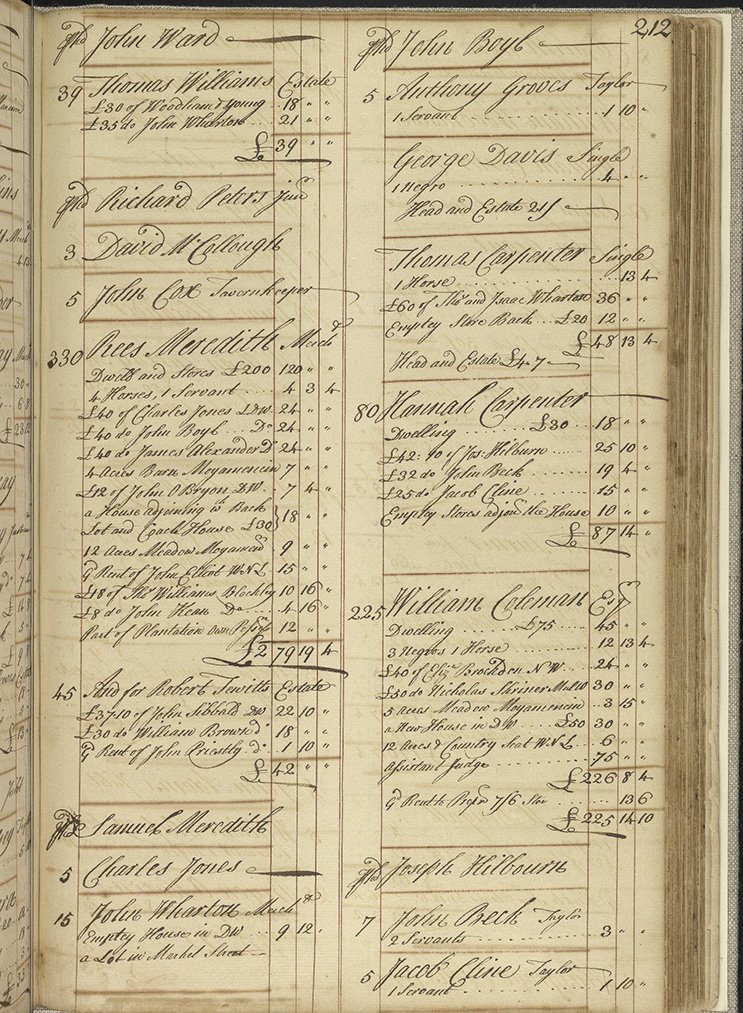

HIS HISTORY WITH SLAVERY
Owning and freeing enslaved African servants.
William Coleman was an enslaver. Though we know very little about the enslaved people who lived and labored at Woodford, we do know three by name—thanks to the last will and testament of Coleman. Suffering from ill health, Coleman drew up a will less than a year before his death stipulating that Woodford be sold upon his death and the proceeds be used to provide payments for three adult enslaved women—Azmin, Hagar, and Philae—and their children, all of whom he ordered to be set free. The children were to be placed as apprentices with a “reputable person or persons” in order to learn a trade.