

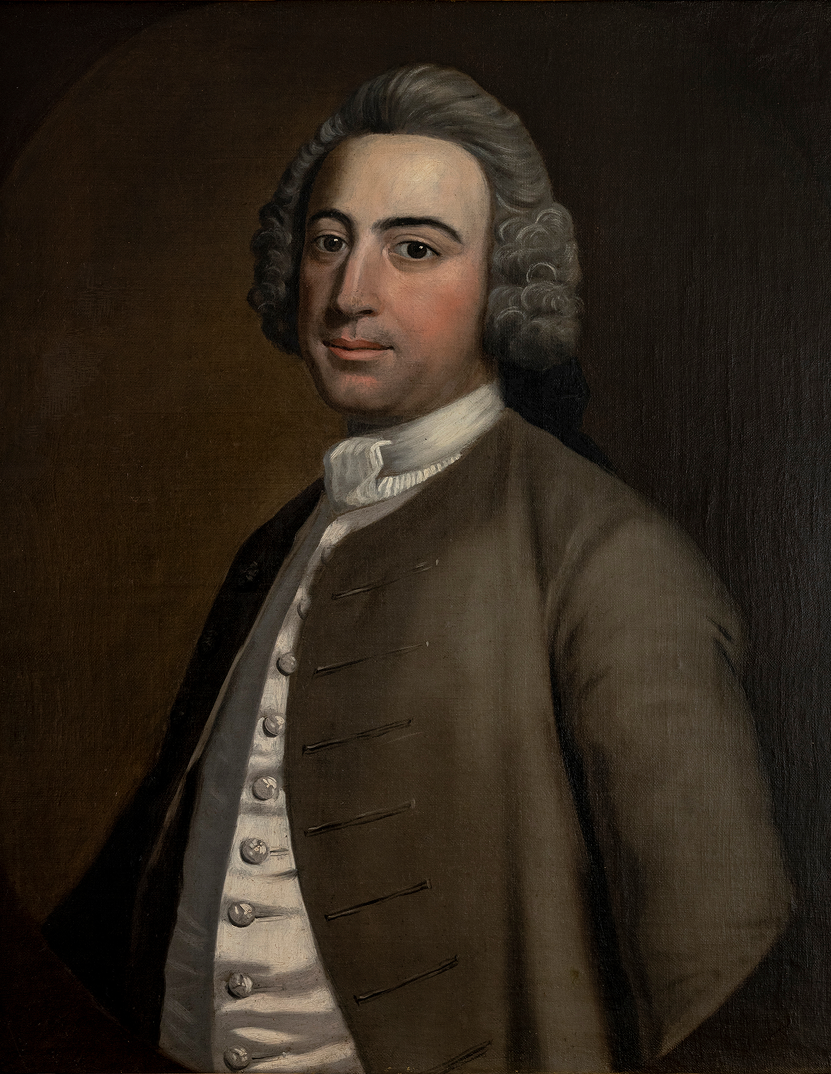
Woodford’s second owner, 1769–1771
Alexander Barclay
(1712–1771)
Alexander Barclay had a stressful career as Comptroller for the Port. This position, appointed by King George III, was responsible for enforcing the hated Sugar and Stamp Acts for the British Parliament. Barclay purchased Woodford as a relaxing summer retreat far from the docks of the Delaware River.
HIS ROOTS
Born to a wealthy English merchant family.
Alexander Barclay was born in England to a wealthy family of Quaker merchants. His grandfather, Robert Barclay, was a prominent Quaker theologian. HIs father David Barclay was a prominent Quaker banker and two of his cousins founded Barclay’s Bank, which continues on to this day.
In his early years, Alexander Barclay got an officer’s commission in the British Army. After leaving the army, he led a dissolute life in London, spending much of an inheritance from his mother and fathering a child out of wedlock. Eventually, he cleaned up his act and came to Philadelphia where he opened a Philadelphia outpost of his uncle’s merchant trading business.
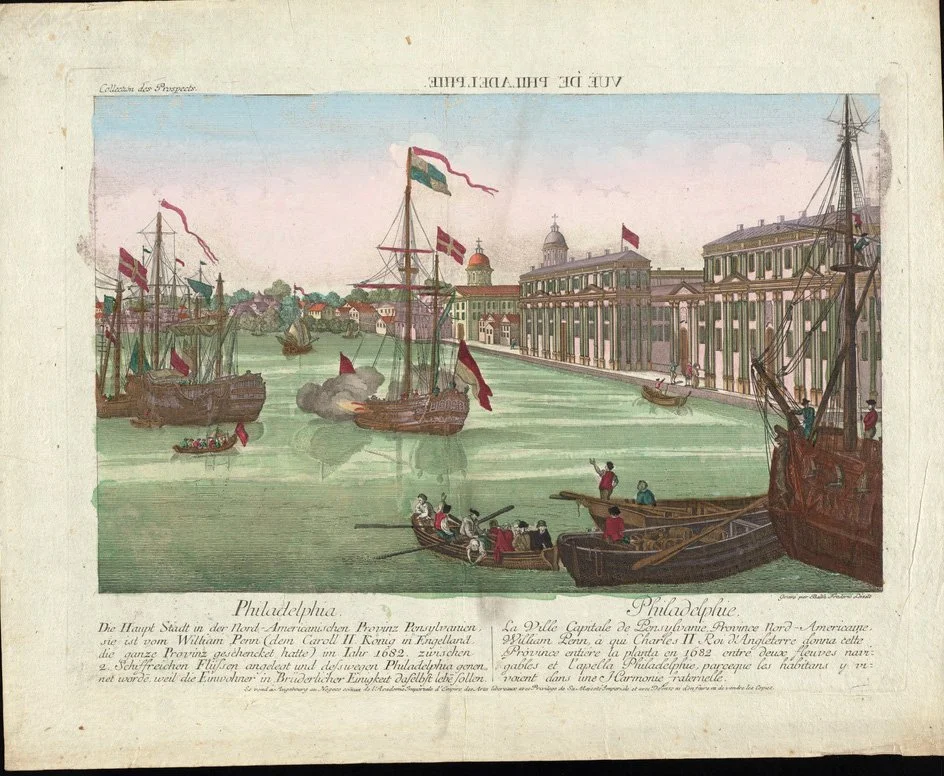
HIS MOVE TO PHILADELPHIA
Emigrating to Philadelphia as part of his uncle’s firm.
In 1747, Barclay’s uncle, David, sent him to Philadelphia to act as an agent for his merchant trading firm. Alexander’s family connections undoubtedly helped in Philadelphia. Within a year of his arrival, the Crown appointed him Collector of Customs for the Port of Philadelphia. By 1751, he was a successful merchant and was appointed the Comptroller for the Port by King George III, where he was responsible for collecting duties on all goods coming through the port.
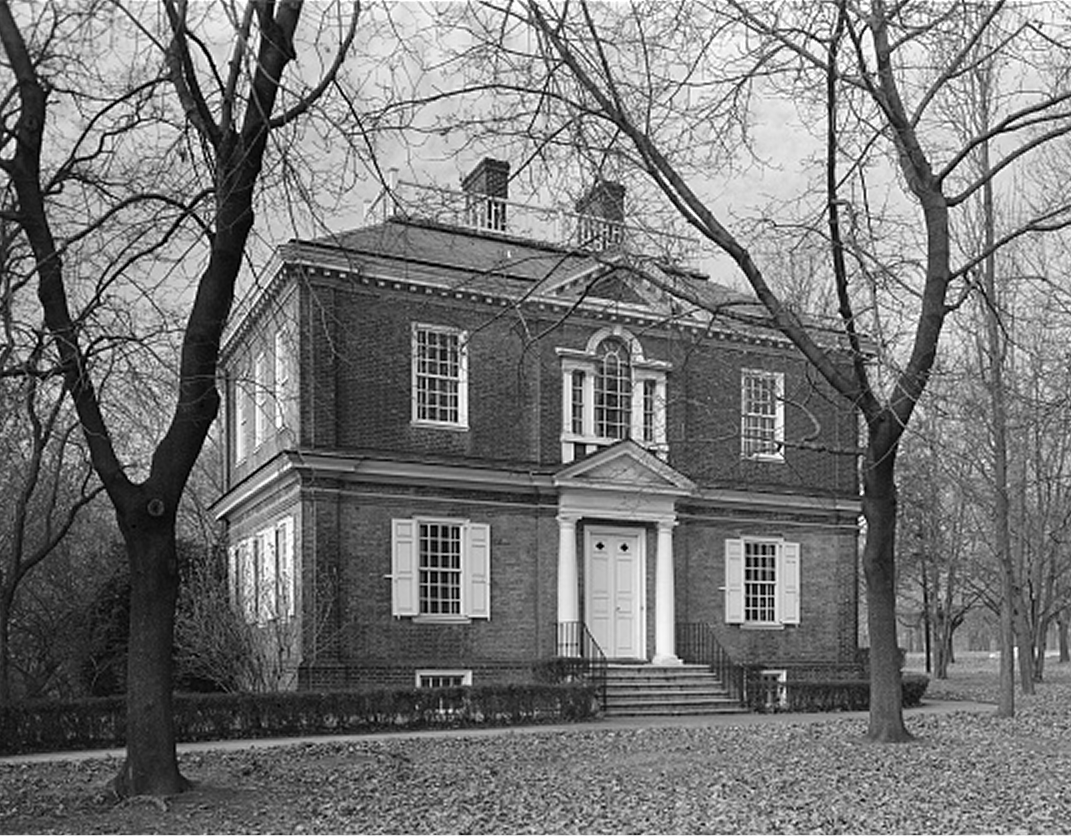
HIS COUNTRY HOME PURCHASE
Acquiring Woodford to escape the stress of city life.
Following the conclusion of the French and Indian War in 1763, Barclay’s position as Comptroller must have become increasingly complicated and stressful. The British Parliament proposed taxes, including the deeply unpopular Sugar (1764) and Stamp (1765) Acts, to cover the high costs of the war, causing vehement and sometimes violent opposition from the colonies. One of Barclay’s employees even received death threats.
As Comptroller, Barclay found himself at odds with the interests of both his fellow merchants in Philadelphia and his uncle’s firm. A country retreat far from the port would have been a welcome escape. In 1769, Alexander Barclay bought Woodford at the public auction ordered by William Coleman’s will.
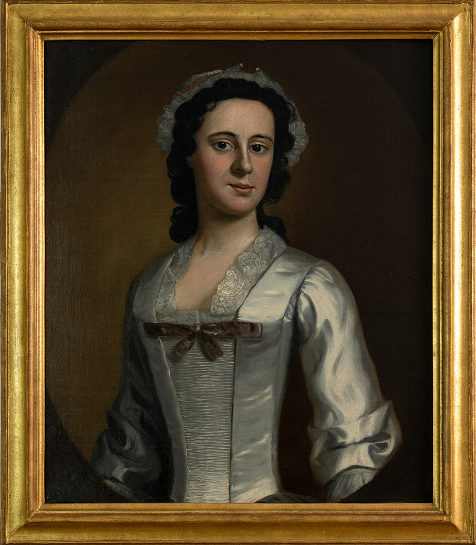
HIS FAMILY
How Woodford was eventually sold to Barclay’s brother-in-law.
Barclay married twice. In 1747, he married Ann Hickman. She passed away five years later after bearing two young children, Robert and Patience. In 1759, he married Rebecca Evans Robertson, with whom he purchased Woodford. The Barclays only owned Woodford for two years, during which they added the rear piazza to the mansion.
In 1771, Barclay died suddenly. A report back to England announced he died of a “gout in his head,” which could have been a stroke or tumor. Unable to maintain both their city and country homes, his widow, Rebecca, sold Woodford to her sister Margaret and brother-in-law David Franks.