
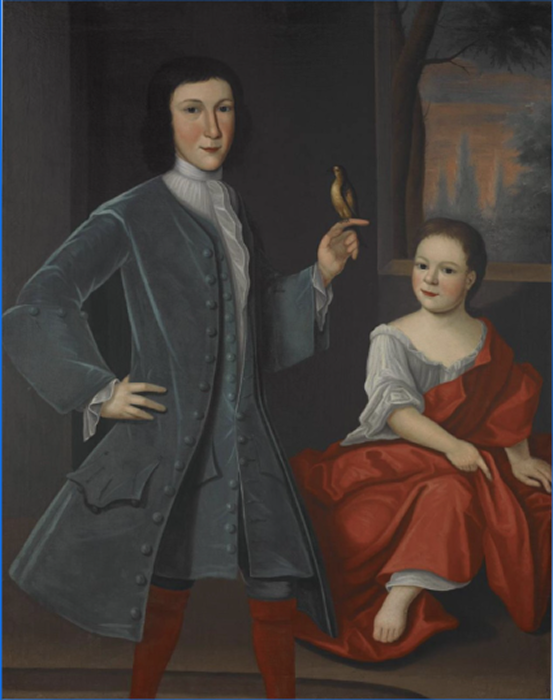
Woodford’s third owner, 1771–1780
David Franks
(1720–1793)
David Franks, Woodford’s third owner, was a wealthy merchant and agent for the British crown in Philadelphia throughout the French and Indian War. During the American Revolution Franks supplied provisions to both the British and American armies, a complicated role that led to his arrest, imprisonment, and ultimate exile from Pennsylvania, forcing him to flee to New York and then to England.
Franks was born in New York City to a wealthy Jewish merchant family. He moved to Philadelphia in 1740 to help establish a branch of the family business there. The Jewish community in Philadelphia was very small at that time and Franks, against his mother’s wishes, married a Christian woman, Margaret Evans, in 1746. Though his children were raised as Christians, Franks maintained his membership in his New York synagogue.
Franks purchased Woodford in 1771 from his wife’s sister Rebecca Evans Robertson Barclay (widow of Alexander Barclay). Franks built a second floor and a rear two-story addition, tripling the size of the home—thereby making room for his four children and the many guests they entertained at lavish parties.
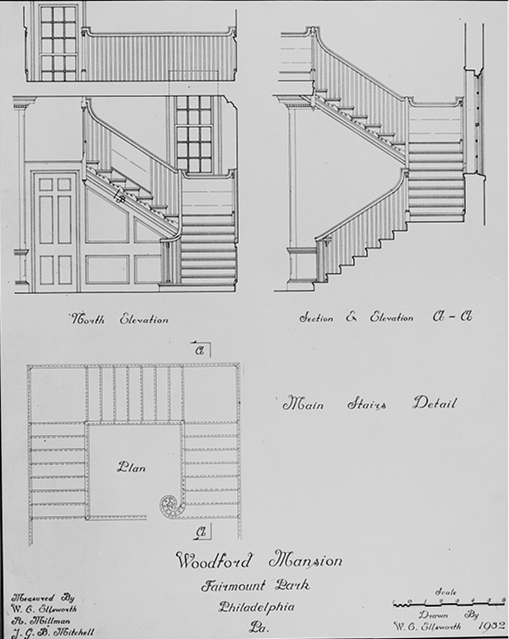
HIS ROOTS
Frank’s upbringing, family life, and impact on Woodford.
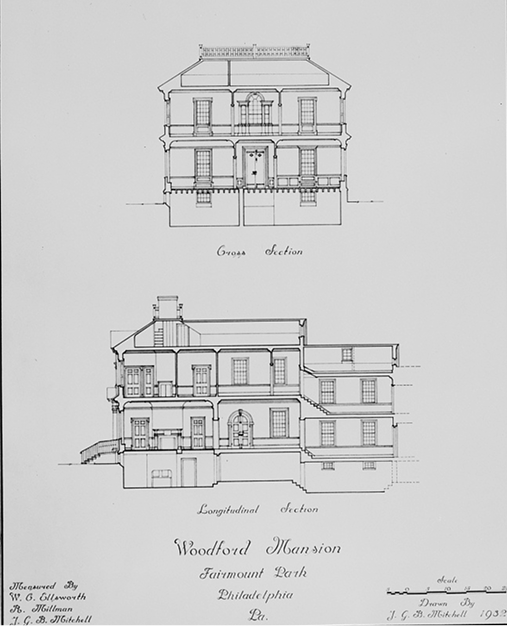
HIS BUSINESS
Establishing a successful merchant trading business.
Franks moved from New York City to Philadelphia to partner with his uncle, Nathan Levy. They established a Philadelphia branch of the Franks family business, which imported to the colonies European goods such as fabrics and rope, and Asian goods such as tea and spices. They exported to England a variety of animal skins like deer, beaver, bear, and other furs. Franks set up outposts in Lancaster County, PA to facilitate trade with the settlers and Indigenous tribes in the West. During the French and Indian War, that network allowed him to become a major supplier to the British Army.
Enslavement and indentured servitude.
Records show that Franks was involved in the importation of at least one cargo of enslaved Africans in 1748 and one cargo of European indentured servants in 1751. Eight of the indentured servants Franks imported in 1751 promptly stole a boat from him and ran away.
A few years before Franks acquired Woodford, Philadelphia records show him being taxed for three enslaved African servants and two indentured European servants. But Franks’ involvement with enslavement began many years earlier. In 1747, he placed an advertisement in the Pennsylvania Gazette seeking the return of an escaped man named Greenwich. Later runaway advertisements in the Gazette tie Franks either directly or indirectly to the enslavement of two other enslaved men–Peter and Cuffy. Peter is believed to have served as a coachman for Franks a few years before Franks purchased Woodford. Franks sold Peter to another enslaver in New Jersey and, in 1771 and 1773, Peter ran away from that enslaver. Cuffy, who was enslaved by one of Franks’ business partners and labored in Franks’ tallow candle making factory.
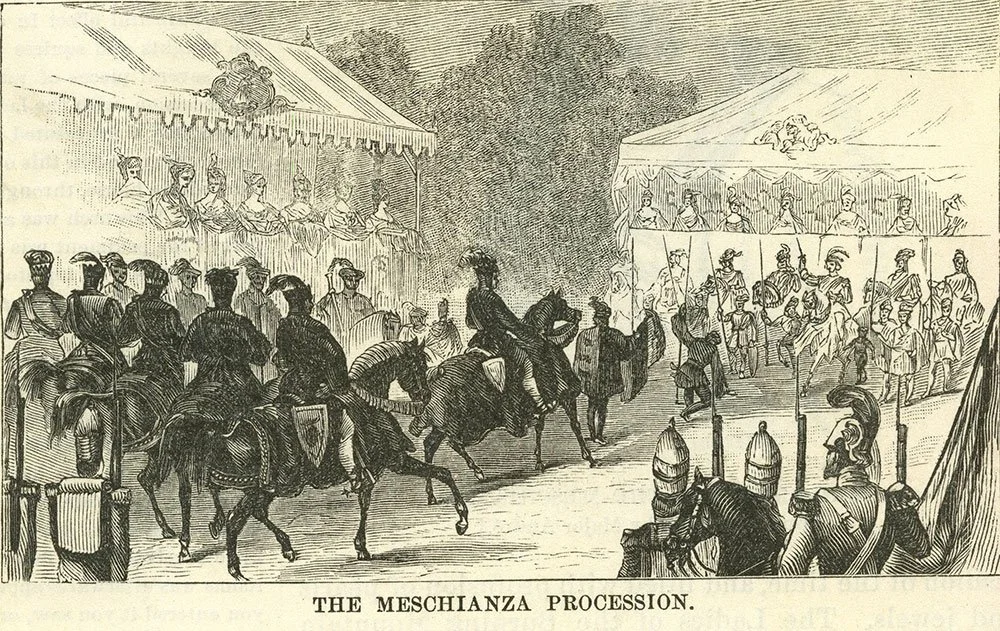
HIS ROLE IN THE WAR
A man in the middle.
Prior to the Revolution, Franks signed the Non-Importation Agreement, in which Philadelphia merchants pledged to boycott British goods to protest the taxes being levied on the colonies by the Crown. But when the Revolution came he tried to adopt a neutral stance, working with both sides.
With the permission of General Washington and the Continental Congress, Franks provisioned British prisoners of war held by the Americans while continuing to supply provisions to the British Army—a move which ultimately led to his financial ruin. As the war progressed, his business dealings with both warring parties became increasingly untenable and called his loyalties into question.
A letter he sent to his brother in New York (then under British occupation) explained in detail the excessive wartime inflation in prices paid for goods in Philadelphia. The note was intercepted and interpreted as being disloyal. In 1778, the Continental Congress ordered Benedict Arnold (the famed Revolutionary War hero turned British spy) to arrest Franks for treason. The outspoken Loyalist sentiments expressed by his youngest daughter, Rebecca, only served to further arouse suspicions about Franks among Patriot leaders.
HIS DOWNFALL
Selling Woodford and returning to England.
Though Franks was acquitted of treason, the family subsequently was exiled from Pennsylvania and ordered to go to New York, which remained under British occupation. This forced him to quickly liquidate all of his possessions, and he sold Woodford at a huge loss to pay an outstanding debt. While settling his affairs in Philadelphia, his wife passed away suddenly. Franks and his youngest daughter, Rebecca, lived in New York City until the end of the Revolution.
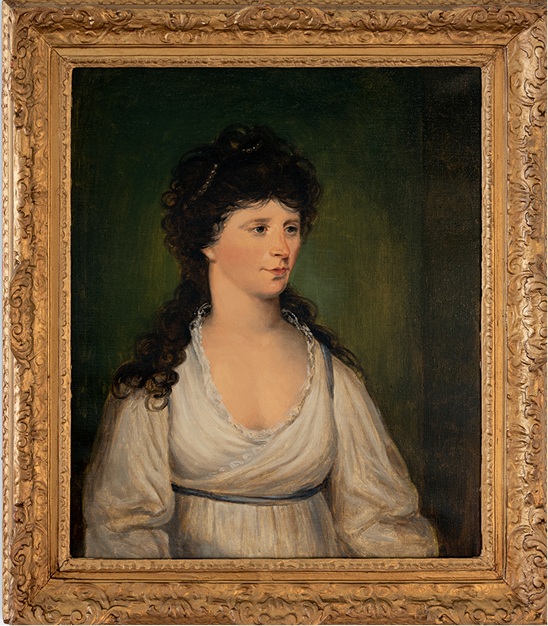
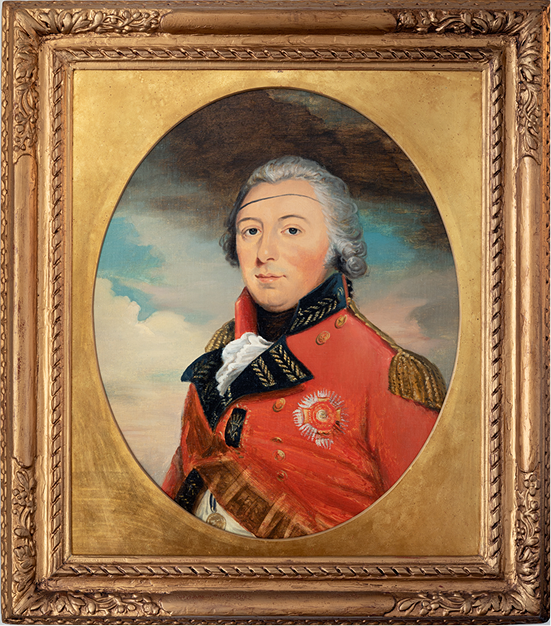
Rebecca married a British officer, Colonel Henry Johnson, and all three returned to England. Rebecca followed her husband to deployments in Canada and in Ireland, but Franks stayed with relatives, reportedly having lost all of his money. Years later, David Franks came back to Philadelphia and tried to recover his fortune by pressing claims he had for land in the west. He was still trying to have those claims recognized when he died in the Yellow Fever epidemic of 1793.