
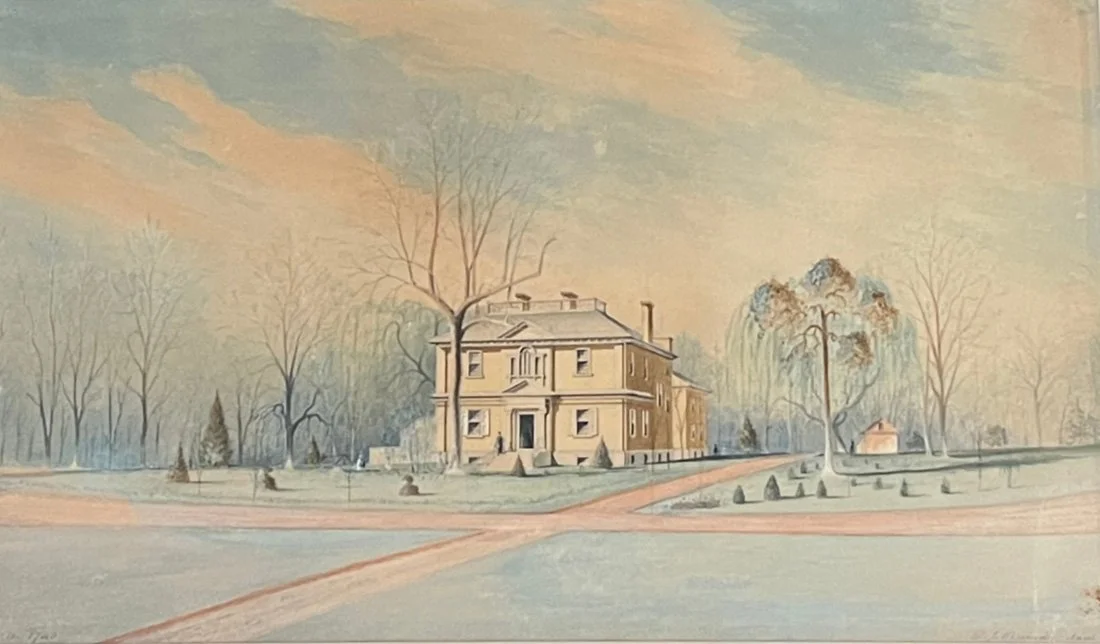
Woodford’s fifth owner, 1793–1869
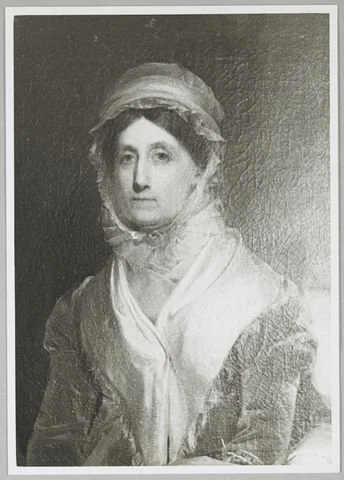
Isaac Wharton
(1735–1808)
Isaac Wharton was a prominent Quaker merchant who remained neutral during the American Revolutionary War. His descendents used Woodford as their summer home until after the Civil War.
HIS FAMILY
Born to a wealthy Quaker family.
Isaac Wharton partnered with two of his 18 siblings, Thomas and Samuel, to operate a successful merchant trading and maritime insurance brokerage.
Isaac Wharton bought Woodford in August of 1793. His wife, Margaret Rawle Wharton, would have known the mansion well, as her father, Francis Rawle, owned nearby Laurel Hill, one of the other present-day Charms of Fairmont Park.
HIS NEUTRALITY DURING THE WAR
Swearing allegiance to Pennsylvania following the American Revolution.
Many members of the Wharton family were British loyalists, and fled to England during the American Revolutionary War. Others, like Isaac’s brother and business partner, Thomas, were arrested and imprisoned in Virginia due to their pacifist and Tory leanings. Their belongings and property were confiscated, and the Wharton family summer home—Walnut Grove in South Philadelphia—was left vacant.
Isaac escaped a similar fate by remaining neutral throughout the war and British occupation. After the Revolution, he renounced his allegiance to the Crown and swore allegiance to Pennsylvania, allowing him to continue to pursue his business interests.
HIS SUMMER RETREAT
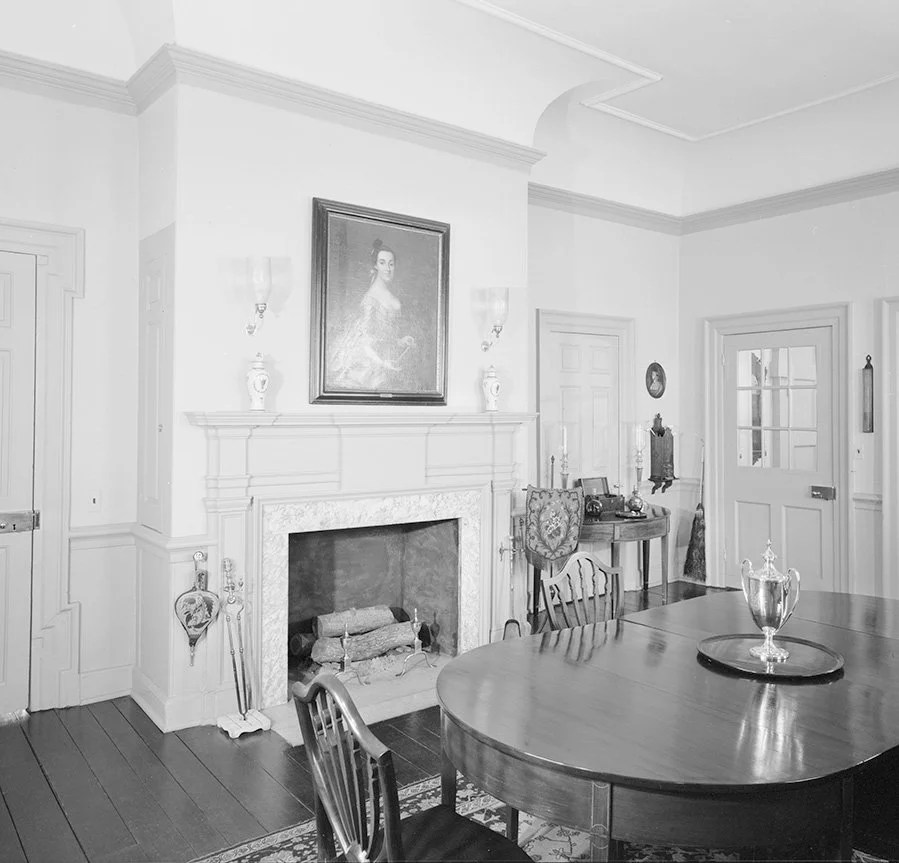
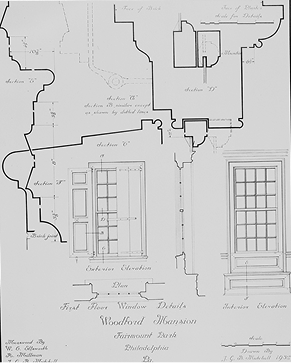
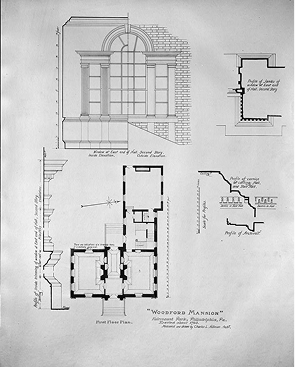
Purchasing and remodeling Woodford.
The Whartons are responsible for significant interior renovations to the Woodford Mansion. They created a large dining room by removing a wall separating the two original first floor bedrooms, took out two small corner fireplaces, had a federal-style fireplace installed, and added a third window to the north wall. On the second floor, they removed a dividing wall between two bedrooms and installed another federal fireplace, creating a large room that likely served as the primary bedroom.
After Isaac Wharton passed away in 1808, his descendants continued to own the property and use it as a summer home until the city of Philadelphia purchased it in 1869. Philadelphia wanted to expand Fairmount Park to provide more green spaces for its growing population and to protect the banks of the Schuylkill, one of the city’s primary sources of drinking water, from pollution and industrial development.